
Europe

A fresh wave of deals highlights why investors favour IP firms and why independent outfits may soon have to rethink their strategy

While the UK sees heavy IP rankings movement, Germany’s new tiered UPC table signals a shift from early adoption to market maturity
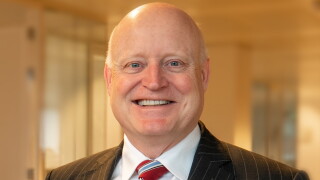
In an exclusive interview, Bernard Ledeboer reveals how a Consolid-backed group of firms wants to expand across Europe, invest in AI and centralise operations to compete at the top tier

Not all private equity firms are the same, so leaders at four externally backed IP firms came together to discuss the frameworks they followed and how they ensured a cultural fit
Sponsored
Sponsored
-
 Sponsored by Sonn & PartnerBoth parties are owners of registered EU trademarks consisting of the letters MK in different designs, with the additional wording "illumination". The plaintiff, an Austrian company has a business concerned with decorative illuminations in Austria and abroad. The defendant, a Czech company, is selling, lending, delivering and installing decorative illuminations and illuminated commercial signs. The defendant's EU registration is younger than that of the plaintiff.
 -
Sponsored by PONS IPJosé Carlos Erdozain of PONS IP analyses the IP challenges raised by AI, looking at what AI seeks to do, how it can be used in the patenting process, how easily it can be protected and whether it should be considered an inventor
-
Sponsored by Sonn & PartnerThe opponent in the case discussed in this article has owned the word mark SEVEN since 2009 and the word and design mark 7seven in a fancy script since 2014. He opposed the registration of the word mark ROOM SEVEN. All these marks were registered for identical goods in international Class 18 (bags). Among other reasons, the defendant stated that the word mark SEVEN was not used during the last five years and that he has used the mark ROOM SEVEN since 1995 in several European countries including Austria without problems. This conflict has already led to decisions in several countries. For example, the Cour d'appel de Paris did not see any danger of confusion in its decision of September 26 2017 since ROOM SEVEN will be seen by consumers as a combination in which the word SEVEN has no particular importance.
-
Sponsored by Cabinet Beau de LoménieClaims of seniority of national trade marks for European marks have the effect of allowing owners, if they cease to maintain local trade marks, to continue benefitting from the same rights they would have had if their national trade mark had been maintained.
-
Sponsored by Sonn & PartnerA hotel in a skiing area known for its bar featuring scantily-clad dancing girls was found to have an infringing trade mark. The lower courts issued an injunction in a first partial judgment. A further partial judgment was made requesting accounts of the turnover earned in connection with the running of the bar and all advertisements made for it. Accounts are the basis for all claims of compensation and damages calculations. In this case, the question was which turnovers should be included. On further appeal to the Austrian Supreme Court, the Court upheld the lower courts' judgments. It ruled on this topic as follows.
-
Sponsored by Sonn & PartnerUntil 2017, it was clear from several decisions of the Austrian Supreme Court that trade marks registered in bad faith were invalid and therefore could be successfully attacked any time and that asserted rights based on them would be rejected as immoral. However, the decisions went further: the mere use of that sign was held to be inadmissible and therefore could be forbidden as such without any other reason.











European Jurisdictions