Firm

Tarun Khurana, founding partner of Khurana & Khurana, discusses juggling tasks, why every hour has a value, and the importance of ‘trusting the process’

The variety of winners demonstrates that the UPC is now a core benchmark rather than an experimental consideration, while junior lawyers are becoming more deeply involved in key work

Sheppard, which has hired 14 IP partners in the last 12 months, has cited client demand for expert counsel in SEP, ITC, and district court disputes

Tingxi Huo joins our ‘Five minutes with’ series to discuss boosting the value of clients’ IP and the importance of reflection
Sponsored
Sponsored
-
 Sponsored by Ropes & GraySteven Pepe of Ropes & Gray explains to Managing IP that while standard-essential patents pose several challenges for start-ups in emerging markets, they also present rich opportunities if the right strategies are adopted
 -
Sponsored by Spoor & FisherMatthew Costard of Spoor & Fisher Jersey considers application of the Madrid Protocol across Africa as Ethiopia’s intellectual property practice looks set to move closer to global standards
-
Sponsored by InspicosAn EPO board of appeal decision has challenged the office’s standing in requiring applicants to adapt the description text of patent applications to be in accordance with amended claims, says Edward Farrington of Inspicos
-
Sponsored by Wanhuida Intellectual PropertyWu Xiaoping of Wanhuida Intellectual Property says the methodology often applied in assessing inventiveness in pharmaceutical patent litigation cases is set to be used in re-examination and invalidation proceedings after the CNIPA makes an invalidation decision a quasi-precedent
-
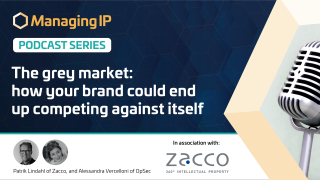
Sponsored by ZaccoManaging IP sat down with Patrik Lindahl of Zacco and Alessandra Vercelloni of OpSec to learn about the often-overlooked threat to brands posed by the grey market and parallel imports
-
Sponsored by CASPrior art searches play a critical role in shaping effective scientific intellectual property strategies. This article, originally published by CAS, highlights the importance of thorough analysis to safeguard R&D investments and ensure patentability