
-
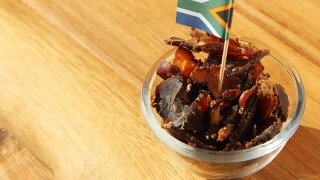
 Sponsored by Spoor & FisherA South African biltong company has prevailed in a fiery dispute concerning a mark. Reinard Krüger of Spoor & Fisher, Pretoria, digests the reasoning behind the decision
 -
Sponsored by Spoor & FisherMatthew Costard and Nola Pontes of Spoor & Fisher Jersey look at some of the issues that arise with trademark searching in countries that form the continent of Africa
-
Sponsored by Spoor & FisherDedicated anti-counterfeiting legislation and a ‘dual registration system’ are among the measures that demonstrate how seriously counterfeiting is taken in Kenya. Duncan Maguire of Spoor & Fisher Jersey summarises two recent developments


-
Sponsored by Hechanova GroupEditha R Hechanova and Timothy J David of Hechanova Group outline the guidelines from the Philippine Supreme Court, which expand virtual hearings nationwide while introducing procedural safeguards, public access rules, and overseas participation provisions
-
Sponsored by Hanol IP & LawA landmark case involving the remodelling of luxury brand bags at the owner’s request has established legal principles on the trademark implications of such services, explains Min Son of Hanol IP & Law
-
Sponsored by RNA, Technology and IP AttorneysRanjan Narula and Parth Bajaj of RNA, Technology and IP Attorneys analyse new obligations concerning synthetically generated information, accelerated takedown provisions, and safe harbour implications amid rising SGI-driven scams


-
Sponsored by InventaInês Monteiro Alves of Inventa analyses the trademark implications resulting from the acquisition of the fact-checking TV programme from the broadcaster SIC
-
Sponsored by Patrinos & KilimirisMaria Kilimiris of Patrinos & Kilimiris explains a recent decision regarding how genuine use is assessed for trademarks registered across broad categories of goods and their subcategories
-
Sponsored by Bird & BirdAnnika Lückemann and Jan van Dieck of Bird & Bird analyse the Unified Patent Court’s opening ruling concerning a supplementary protection certificate, highlighting procedural peculiarities, urgency considerations, and possible implications for pharmaceutical originator-generic disputes



-
Sponsored by Berken IPMaría Aurora García of Berken IP examines how Argentine courts are using dynamic injunctions to tackle illegal sports streaming, particularly in the context of major events such as the football World Cup
-
Sponsored by Licks AttorneysBrazil is establishing itself as a hub for biological agricultural formulations. Eduardo Hallak, Rafaella Oliveira, and Gislaine Zulli of Licks Attorneys analyse a fast-developing market and a decade of related patent activity
-
Sponsored by Becerril, Coca & BecerrilStephania Cardiel of Becerril, Coca & Becerril examines how recent reforms signal a regional move towards faster, more internationally aligned innovation systems


-
Sponsored by Becerril, Coca & BecerrilFernanda Villalobos of Becerril, Coca & Becerril explains how Mexican trademark law now allows descriptive signs to acquire protection through market use and consumer recognition
-
Sponsored by Becerril, Coca & BecerrilStephania Cardiel of Becerril, Coca & Becerril examines how recent reforms signal a regional move towards faster, more internationally aligned innovation systems
-
Sponsored by Bird & BirdAnne-Raphaëlle Aubry of Bird & Bird explains how Section 1782 and Rule of Procedure 190 offer different pathways for cross-border evidence gathering in European patent disputes, highlighting timing, scope, and strategic considerations for litigants


-
Sponsored by IpsilonJean-Paul Wagner and Tiago Leal of Ipsilon Luxembourg explore recent judicial advancements and global trends shaping the future of AI innovation, and how to turn informed intellectual property strategies into engines of commercial success
-
Sponsored by Cabinet M OproiuRaluca Vasilescu of Cabinet M Oproiu finds that AI assistants are not very helpful for building and enforcing patent strategies – and explains why
-
Sponsored by Cabinet M OproiuRaluca Vasilescu of Cabinet M Oproiu finds that producing reliable, full patent applications remains a step too far for AI assistants at present


