Firm

King & Spalding has now hired 15 partners from Winston Taylor and legacy firm Winston & Strawn in offices spanning Texas, San Francisco, and Chicago

Firm says its work with a biotech client could signal a sea change in how - and when - law firms enter the drug development process
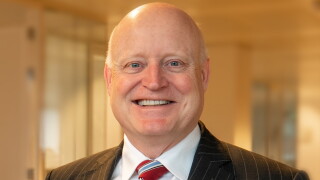
In an exclusive interview, Bernard Ledeboer reveals how a Consolid-backed group of firms wants to expand across Europe, invest in AI and centralise operations to compete at the top tier
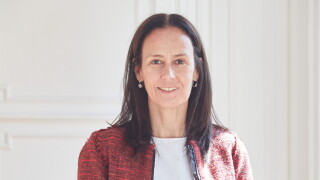
Laura Achával, founder of Achával IP in Argentina, shares how an evolving vision led her to launch her own practice
Sponsored
Sponsored
-
 Sponsored by ZaccoManaging IP presents a first-person account of EU trademark appeals at the CJEU’s General Court by Peter Gustav Olson of Zacco, based on his experience in multiple cases
 -
Sponsored by Remfry & SagarGaurav Mukerjee of Remfry & Sagar analyses a High Court of Delhi ruling on counterfeit iPhone imports that reduced penalties under the doctrine of proportionality, highlighting tensions between constitutional fairness and deterrence in Indian enforcement
-
Sponsored by IP WorkEleni Lappa of IP Work explains how Japanese companies can protect intellectual property and resolve disputes in Europe, with insights on alternative dispute resolution, patents, trademarks, and the challenges of AI and cross-border regulation
-
Sponsored by FirstLaw PCSejeong Son of FirstLaw PC draws on three cases to explain how South Korean courts are reinterpreting the territoriality principle in patent law in response to the increasingly important realities of global commerce
-
Sponsored by Licks AttorneysTwo key patent ordinances are aimed at reducing appeal backlog but risk extending timelines for applicants, say Eduardo Hallak, Rafaella Oliveira, and Bruna Luna of Licks Attorneys
-
Sponsored by CASFrom Donald Duck comics to YouTube videos, prior art can surface in surprising places. Paul Peters and Rob Austin of CAS share memorable stories that highlight the stakes in intellectual property analysis