The decision by five judges of the Court in Virgin Atlantic v Zodiac was published today. It concerned Virgin’s European patent for business-class airline seats, in a case in which it was seeking more than £49 million ($75 million) in damages.
A bumpy ride

The patent was granted by the EPO in 2007, upheld following an opposition in 2009 but substantially revoked by the Technical Board of Appeal in September 2010.
Zodiac, formerly called Contour, makes seats and supplies them to various airlines, including Air Canada and Delta. Virgin sued it for infringement in July 2007. It later sued the airlines, in a case decided last year.
At first instance, in January 2009, Mr Justice Lewison found that the patent was not infringed. But in October of that year, the Court of Appeal found the patent valid and infringed, and refused to stay the judgment pending the outcome of proceedings at the EPO.
The appeal judges cited a 2007 case, Unilin Beheer v Berry Floor, which said that later decisions on validity at the EPO are irrelevant for UK proceedings. They granted a conditional injunction (later discharged) and enquiry into damages.
Unilin was based on two earlier decisions of the Court, Poulton and Coflexip.
Up in the air
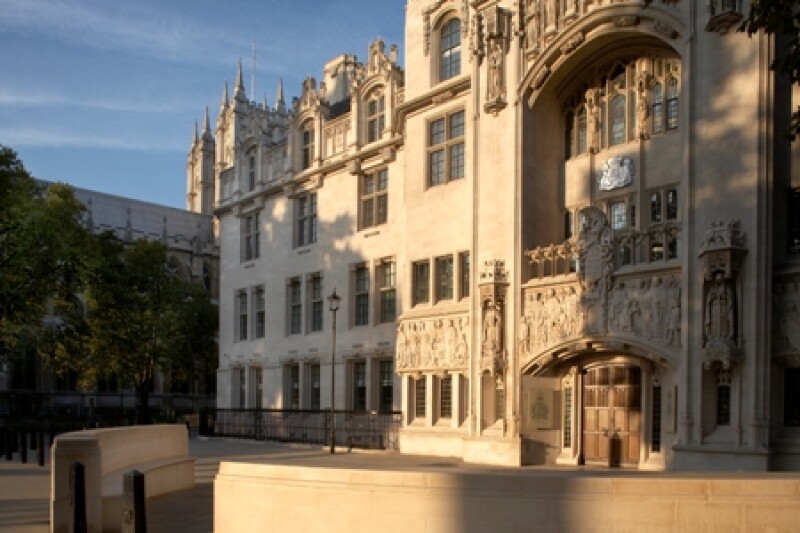
The Supreme Court (pictured, left) was asked essentially to revisit the Unilin principle. Zodiac argued that it was not right that damages should be paid for infringing a patent that, following EPO proceedings, was deemed never to have existed. Virgin countered that the finding of the English courts was res judicata.
The issue has become more urgent in recent years as patent litigation in the UK has become quicker, and court rulings are often issued (as in this case) before there is a final decision at the EPO.
In today’s lead ruling, Lord Sumption said Unilin was “wrongly decided”. He added: “[W]here judgment is given in an English court that a patent (whether English or European) is valid and infringed, and the patent is subsequently retrospectively revoked or amended (whether in England or at the EPO), the defendant is entitled to rely on the revocation or amendment on the enquiry as to damages.”
In a concurring opinion, Lord Neuberger reminded patentees that they always face the risk of revocation: “A patentee therefore must appreciate that it can never be sure that a decision of a court that the patent is valid will settle the question for good.”
Fasten your seat belts
Gordon Harris, a partner of Wragge & Co, who represented Zodiac during the four-year litigation, told Managing IP the reversal of Unilin was welcome and sensible.
He added that he believed the judges’ views on stays of litigation would not necessarily mean that cases last longer, as validity and infringement could still be decided at the normal pace: “You can go as far as a certain point in the litigation at your own risk. But damages enquiries will be stayed. It would be a brave judge who would do anything different.”
In theory the decision means that companies that have paid damages for infringing patents that were later revoked may now be able to recover them.
However, in practice, most damages claims are settled between the parties following a finding of infringement. This limits the impact of the decision, said Harris: “Most damages are settled with a concluded contract of compromise, which cannot be undone, so I don’t think the floodgates will open.”
Zodiac was also represented by barristers Henry Carr QC, Iain Purvis QC and Brian Nicholson.
Barristers Jonathan Crow QC, Richard Meade QC and Henry Ward, with law firm DLA Piper, acted for Virgin Atlantic.
Virgin’s representatives did not immediately respond to requests for comment.