
-
 Sponsored by INLEXSocial media-fuelled demand for luxury counterfeits such as the ‘Takealot Tirkin’ is reshaping consumer culture across Africa and raising pressing questions for brands. Haadya Mosafeer of INLEX finds a potential answer in Mauritius’ response
 -
Sponsored by Spoor & FisherCwengile Cwele, with oversight from Chyreene Truluck of Spoor & Fisher South Africa, explains how the new process works and the implications for practitioners and rights holders
-
Sponsored by INLEXPravir Palayathan of INLEX explains Mauritius’ customs-led system for protecting trademarks, regulating authorised importers and exporters, and swiftly seizing counterfeit goods


-
Sponsored by Vivien Chan & CoExperts from Vivien Chan & Co report on significant developments from the IP world across China and the Asia-Pacific
-
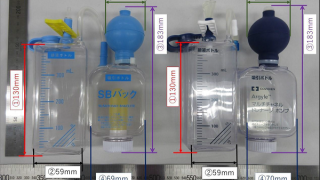
Sponsored by ABE & PartnersSumitomo Bakelite has manufactured and sold each device comprising a portable and disposable device for continuous low pressure suction or a set of these devices (collectively SB Bag) with the product name "SB Bag" since 1984. Those consisting of a drainage bottle and a suction bottle in SB Bag are the relevant products belonging to Sumitomo Bakelite in this case. Nippon Covidien has manufactured and sold its product since January 2018.
-
Sponsored by Hanol IP & LawKorea Seed Industry Act (KSIA) and its Implementing Regulation, effective as of June 19 2020, a person who intends to sell propagating materials of certain types of foreign plant varieties should report this fact to the Ministry for Agriculture Food and Rural Affairs (MAFRA), along with submission of evidence proving that such propagating materials have been "legally obtained" (Article 38 of KSIA, Article 27 of Implementing Regulation thereof). In other words, in order to sell propagating materials of foreign plant varieties in Korea, a seed supplier shall have a duty to prove that he has lawfully acquired the same.

-
Sponsored by InspicosNils Byg Jørgensen of Inspicos says a recent EPO decision addresses the extent to which the description and drawings shall be consulted when interpreting claims under European Patent Convention provisions other than patentability
-
Sponsored by Gün + PartnersA Turkish case highlights the importance of Article 138(3) when patent claims are amended during an invalidation action, say Selin Sinem Erciyas, Aysel Korkmaz Yatkın, and Bengü Şen Gürakan of Gün + Partners
-
Sponsored by InspicosJakob Pade Frederiksen of Inspicos provides a status update on the pending case in the lead-up to oral proceedings before the EPO Enlarged Board of Appeal on May 8 2026


-
Sponsored by Berken IPEmilio Berkenwald of Berken IP says that although the move potentially eases prosecution, several issues – particularly concerning second medical use claims – remain
-
Sponsored by Licks AttorneysEduardo Hallak, Juliana Neves, and Gabriela Monteiro of Licks Attorneys explain how Brazilian courts have reshaped divisional patent practice and assess the practical impact of the current framework
-
Sponsored by Berken IPMaría Aurora García of Berken IP examines how Argentine courts are using dynamic injunctions to tackle illegal sports streaming, particularly in the context of major events such as the football World Cup


-
Sponsored by Becerril, Coca & BecerrilLuis Emilio Moncada of Becerril, Coca & Becerril explains why provisional measures are an increasingly valuable mechanism under Mexican intellectual property law as the country prepares to co-host the football World Cup
-
Sponsored by Becerril, Coca & BecerrilFernanda Villalobos of Becerril, Coca & Becerril explains how Mexican trademark law now allows descriptive signs to acquire protection through market use and consumer recognition
-
Sponsored by Becerril, Coca & BecerrilStephania Cardiel of Becerril, Coca & Becerril examines how recent reforms signal a regional move towards faster, more internationally aligned innovation systems


-
Sponsored by IPSILONAn outdated and fragmented framework is creating growing operational risk amid heightened geopolitical tension and accelerating dual-use innovation, says Dirk Pieters of IPSILON Belgium
-
Sponsored by Cabinet M OproiuRaluca Vasilescu of Cabinet M Oproiu considers how patent applicants may need to adapt their approaches as a result of widespread political and economic uncertainty
-
Sponsored by IPSILONJean-Paul Wagner and Tiago Leal of Ipsilon Luxembourg explore recent judicial advancements and global trends shaping the future of AI innovation, and how to turn informed intellectual property strategies into engines of commercial success


