Firm
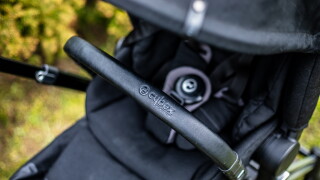
A dispute over buggies, a decision on the UPC’s jurisdiction, and the formal launch of the Patent Mediation and Arbitration Centre were among the top developments

The firm has hired former in-house counsel Quintin Cassady to lead the launch of the new office

Priya Nagpal, who this month became the firm’s eighth IP partner, says its cross-practice expertise in areas closely linked to IP was a key draw

Tatiana Campello reflects on 30 years of practising at the firm, and urges women IP attorneys to think beyond the day-to-day
Sponsored
Sponsored
-
 Sponsored by Bird & BirdAnnika Lückemann and Jan van Dieck of Bird & Bird analyse the Unified Patent Court’s opening ruling concerning a supplementary protection certificate, highlighting procedural peculiarities, urgency considerations, and possible implications for pharmaceutical originator-generic disputes
 -
Sponsored by RNA, Technology and IP AttorneysRanjan Narula and Parth Bajaj of RNA, Technology and IP Attorneys analyse new obligations concerning synthetically generated information, accelerated takedown provisions, and safe harbour implications amid rising SGI-driven scams
-
Sponsored by Tilleke & GibbinsLoc Xuan Le of T&G Law Firm LLC (TGVN), the local associate firm of Tilleke & Gibbins, outlines key amendments to Vietnam’s Law on Intellectual Property concerning AI use of protected IP objects
-
Sponsored by Tilleke & GibbinsWiramrudee (Pink) Mokkhavesa and Tanapong Pongburanakit of Tilleke & Gibbins say Thai courts’ evolving approach to criminal intellectual property damages enables brand owners to enhance return on investment in raids and avoid civil litigation
-
Sponsored by Wanhuida Intellectual PropertyXiaoping Wu and Jicheng Yang of Wanhuida Intellectual Property analyse an invalidation decision that addresses how dosage and administration features affect the inventiveness assessment of pharmaceutical use claims in China
-
Sponsored by Becerril, Coca & BecerrilFernanda Villalobos of Becerril, Coca & Becerril explains how Mexican trademark law now allows descriptive signs to acquire protection through market use and consumer recognition