


The news about the individual performance of Indian sportsperson and team games in the Olympics led to medal wins and created quite a stir among the Indian public.
Sensing the nation's sentiment, some enthusiastic brands placed adverts with names and images of the sportspersons, congratulating them on their success. In the garb advertising, their brands encashing upon the sudden popularity of sports personalities and encroaching upon their publicity rights.
This has ignited the debate over publicity rights, as these brands had not signed the sportsperson as their brand ambassadors or sponsors. The media agencies representing the sportsperson are not happy and threatened legal action.
Right to publicity
‘Right to publicity’ is commonly referred to as personality rights, and in the absence of any specific laws governing these rights, the words are interchangeably used. Essentially, it is a right of an individual to control the commercial use of their name, image, likeness, or identity. There are no special laws in India to protect publicity rights. However, the Indian courts have observed in several judgments that the ‘right to publicity’ is an inherent part of the right to privacy. This constitutional right is the right to life and personal liberty under Articles 19 and 21.
The Indian Copyright Law protects the performances of the sportsperson. Therefore, using their voice, name, images, videos, or game without permission is a breach of copyright and actionable under the law. The Trademark Act 1999 offers no specific provisions for the protection of publicity and image rights; however, Section 2(1)(m) of the Act defines 'marks' as inclusive of names. Therefore, a well-known name that has built up goodwill and reputation can be protected as a trademark. Several court decisions have confirmed this position.
The Advertising Standards Council of India (ASCI) (an autonomous body) has specific guidelines for celebrity endorsements to ensure that the advertisements reflect the genuine and reasonably current opinion of the individual(s) making such representations and should reflect adequate information about or experience with the product/service. However, the indirect marketing and advertising around congratulatory messages mislead the consumers into believing that the products/services are endorsed by celebrities, whereas that is not true.
Sports fans have a deep connection with their favourite teams, clubs, players, and their merchandise. When they come across any product or service using images of their famous personalities, they consider it their endorsement. Thus, such advertisements and publicity materials create deception and false images in the consumer's minds who tend to associate the brand with the sports personality.
As an ethical practice, the advertisements cannot use names and images of the celebrity without their prior permission. Sports marketing firms and celebrities have expressed their concerns and objections to using their names and images in advertisements without seeking approval. It amounts to a breach of their privacy and IP. However, it appears that the brands are hiding behind the lack of specific laws in India and publicity and personality rights being a grey area. Thus, they do not wish to miss the opportunity of moment marketing to leverage the victory of Indian sportspersons at the Olympic games.
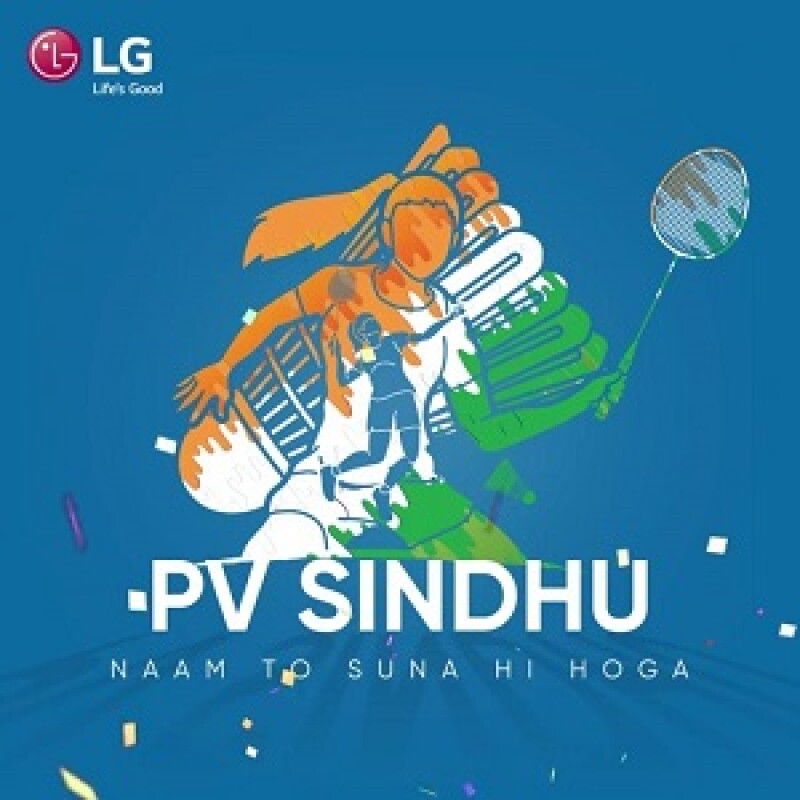
For example, several brands used PV Sindhu's image without permission in their promotional materials, congratulating her on winning a bronze medal at the Olympics 2020. The use of her pictures without permission violates her publicity rights, and her brand marketing agency is contemplating suing these companies.
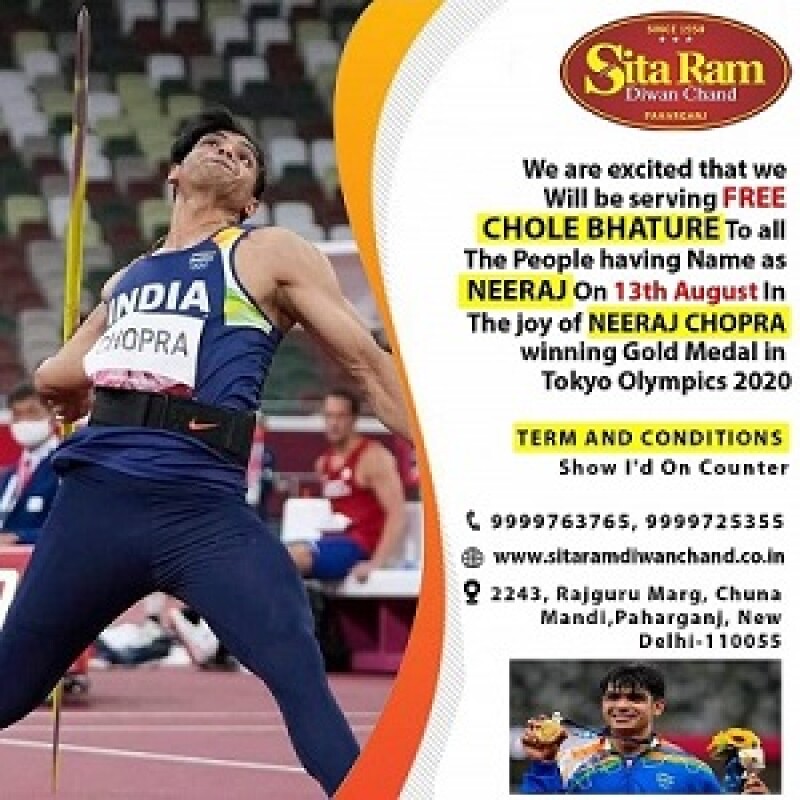
There are several such cases, as an example a famous Indian fast-food chain offering to distribute free 'Chole Bhature' (chickpea curry with fried flatbread) to all customers having their name as Neeraj. Apparently, to celebrate the success of Neeraj Chopra for winning the gold medal for the javelin throw at the Tokyo Olympics. The food chain used sportsman Neeraj Chopra's image playing the sport and the gold medal in its promotional offer without his permission or knowledge.
To address such violations by brands, the ASCI has stepped in and condemned the brands that capitalised on Indian athletes who won at the Tokyo Olympics; referring to the athletes or using their likeness without their permission is a potential violation of the ASCI Code.
Looking ahead
In the absence of clear publicity laws in India, the companies seem emboldened to capitalise on the fame of celebrities. While it is unfair to the marketing agencies that invest and work year-round to promote the celebrities for their commercial gain, companies with no contracts or agreements push their brands by capitalising on the victory moment.
Although there are judgments from the courts recognising publicity rights as an extension of privacy rights, and there is protection available under the IP rights as discussed above, it is a cumbersome process to seek damages on such misuse. Thus, the ASCI and a legal framework are required to regulate this space so that sportsperson who have short careers can get their dues.
Rachna Bakhru
Partner, RNA Technology and IP Attorneys





