TV formats win copyright for the first time

Managing IP is part of Legal Benchmarking Limited, 1-2 Paris Gardens, London, SE1 8ND

Copyright © Legal Benchmarking Limited and its affiliated companies 2026

Accessibility | Terms of Use | Privacy Policy | Modern Slavery Statement

TV formats win copyright for the first time

Case of the Year 2012: BBC v RTI (Mediaset) and Endemol

dancing.jpg

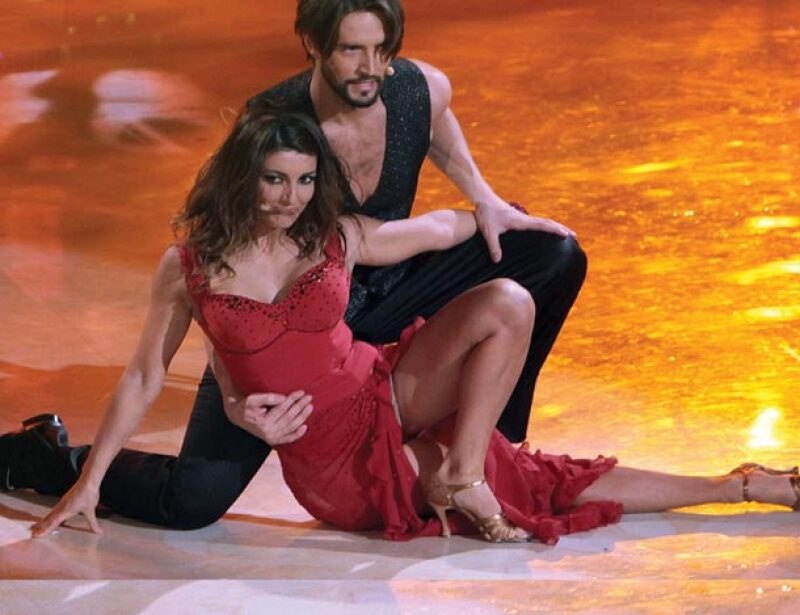
A landmark decision in Italy could improve copyright protection for television formats in Europe. In February the IP Court of Rome granted the BBC a preliminary injunction against Endemol and RTI (Mediaset) as it sought to protect its Strictly Come Dancing format.

A BBC-licensed version of the programme had been aired by Italian public broadcaster Rai for over six years. RTI unsuccessfully argued that its format was different and that the BBC's was based on elements widely featured in other shows. Following the injunction the parties negotiated a settlement.

In Europe, format owners looking for protection have had limited success against alleged infringers, and only by bringing actions based on unfair competition or a breach of confidential information. A good example was Endemol's unfair competition case against Banijay over the programme Dilemme in France, which is on appeal.

With the BBC decision in Italy, a European court has now recognised the copyright eligibility of a format based on a basic level of creativity, giving owners IP protection of a basic TV format for the first time.

This case was selected as one of Managing IP’s Cases of the Year for 2012.

To see the rest, click on one of the cases below.

The 10 cases of the year

A fillip for the EU pharmaceutical sector

Relief for trade mark owners in red sole saga

Australian TV streaming service held to be illegal

Smartphone war hits front page in the US

Liberalising the EU’s software market

India allows parallel imports

Victory for fair dealing in Canada

Lacoste loses its trade mark in China

Google prevails in Android attack

EU test case clarifies class headings

Ten you might have missed

Canada: Ambiguous claims can invalidate patents

Russia: Certainty on parallel imports

Italy: TV formats win copyright for the first time

First FRAND cases litigated worldwide

Monsanto loses in Brazil

Data exclusivity backed by Mexican courts

China: A shift over OEM manufacturing

Authors in the US able to reclaim joint copyrights

Germany: Knitted trainers a sign of the future

India: Financial Times loses trade mark

more from across site and SHARED ros bottom lb

More from across our site

News of Dolby suing Snap over AV1 and HEVC patents and SCOTUS offering guidance on the liability of internet service providers were also among the top talking points
Arrival of Caitlin Heard will bolster the soon-to-be-created Ashurst Perkins Coie’s IP presence in the capital
AI, cybersecurity and data practice group will provide clients with legal guidance around AI alongside a 'deep technical foundation’ in IP
Lawyers at Vondst and Biopatents say a ruling concerning the protected status of trade secrets could see the UPC flooded with requests to prevent access to confidential information
Sharad Vadehra of Kan & Krishme discusses why older IP firms still have an edge over up-and-coming boutiques and how the firm is using AI to provide quick and cost-effective service
Lawyers at Appleyard Lees share how they picked apart a plant breeder’s infringement claims concerning the ‘Tango’ mandarin
A further decision on long-arm status, and a new hire for Pentarc in Germany from Taylor Wessing were also among top developments
The US decision marks a rare grant of a request under the Uniform Fraudulent Transfer Act in a patent case
Stobbs has applied to strike out a contempt of court application filed against the firm and two of its lawyers
With trademark volumes surging, trademark teams need to think beyond traditional clearance searches, towards a continuous, intelligence-led workflow, says Meghan Medeiros of Corsearch
Gift this article