The not-brief brief
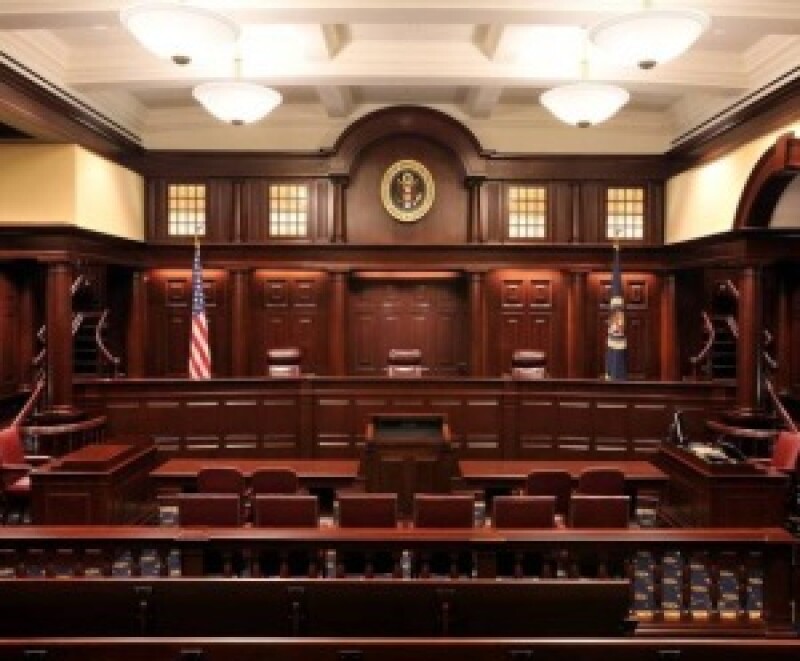
The Federal Circuit has rejected an appeal because the brief squeezed together words and then, when it was rewritten, replaced phrases with abbreviations and omitted article such as “the” and “a”.
Pi-Net International and Dr Lakshmi Arunachalam sued JP Morgan Chase, claiming its online banking services infringed their patents. A Delaware court invalidated the patents in May last year and granted summary judgment.
On appeal, JPMorgan objected to the appellants’ opening brief, saying it would have exceeded the 14,000 word limit had the appellants not deleted spaces between various words.
In a corrected brief, the appellants attempted to squeeze various words together. For example, the following “word” in the brief should have counted as 14 words: Thorner.v.SonyComputerEntm’tAm.LLC.LLC.669F3dl362.1365(Fed.Cir.2012).
The appellants moved to file a new “corrected brief”. But the Federal Circuit said the new corrected brief did not bring the actual word count below 14,000 words.
“For example, the new corrected brief would, instead of deleting spaces between words in case citations, replace various phrases or case citations with abbreviations such as ‘TOA1’ and list those citations only in the table of authorities,” the Federal Circuit said in an April 20 order. “The Appellants also use abbreviations such as ‘CR1’ to cross-reference to something that was stated earlier in the brief, although it is so poorly explained that it is nearly incomprehensible. Neither the previously filed brief nor the most recent proffered corrected brief comply with the court’s rules. Instead, they represent an attempt to file briefs that, if written properly, exceed the permitted word limitation.”
This is not the first time Arunachalam has been criticized for her unusual filings. In December last year, she was the first patentee to be sanctioned by the Patent Trial and Appeal Board. A PTAB filing had contained sensitive information and unsubstantiated allegations about Judge Brian McNamara. A website also included a picture of the judge superimposed on a background of simulated targets with a skull and crossbones in a yellow triangle.
music20canada20logo.jpg I’m your man, for supporting copyright extension
Music Canada and Leonard Cohen have thrown their weight behind the Canadian government’s intention to amend the term of copyright for sound recording to 70 years from 50 years.
Cohen, who released his debut album in 1967, said: "In just a few short years, songs we recorded in the late 1960s will no longer have copyright protection in Canada. Many of us in our 70's and 80's depend on income from these songs for our livelihood. We would deeply appreciate any adjustment that would avert a financial disaster in our lives."
More than 60 countries worldwide protect copyright in sound recordings for a term of 70 years or longer, including all of Europe, the US and Australia. “Across Europe, Canadian artists are denied to the full 70 year term of protection due to Canada's shorter term of protection,” said Music Canada.
Just when you thought it was safe to go back to the USPTO…
Katy Perry’s dominance of IP headlines continued this week when it emerged the USPTO had rejected an attempt to register a design of a shark, according to The Hollywood Reporter.
“Left Shark” become an internet phenomenon when it appeared one of the dancers in a shark costume during Perry’s Superbowl halftime show was not keeping to the choreographed moves.
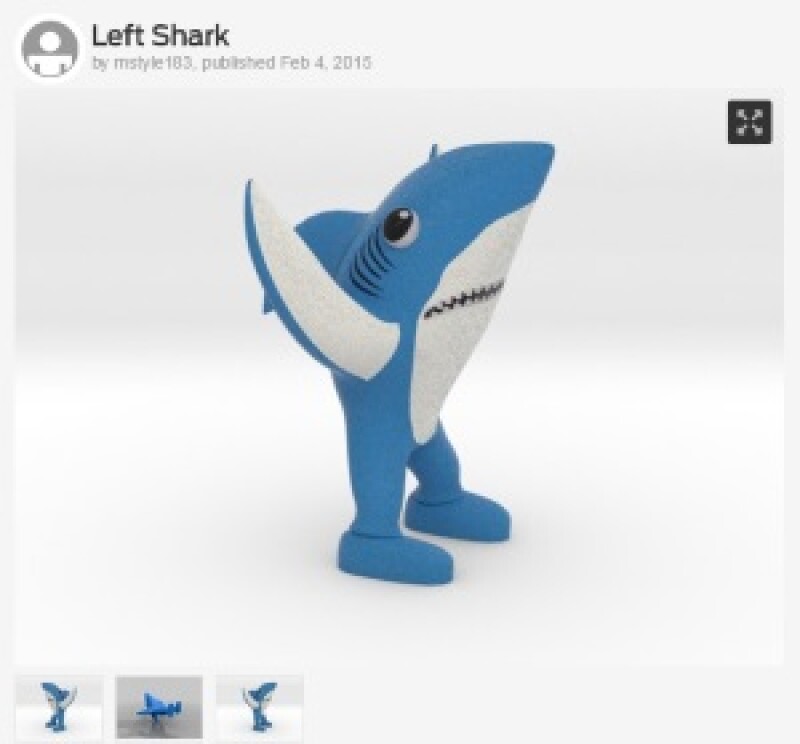
The trademark examiner said the design “identifies only a particular character; it does not function as a service mark to identify and distinguish applicant’s services from those of others and to indicate the source of applicant’s services.”
Perry had more success with her attempts to register a mark for the phrase “Left Shark”. The examiner did, however, ask her for more details on the types of costumes and figurines she meant to cover.
Perry made news in February when she tried to force an artist to take down a Left Shark 3D printing design.
Riders on the tweetstorm
Twitter has also been busy filing trade mark applications, reports Fortune.

Among the applications are “tweetstorm” and “The Future of Identity”, which is a suite of tools that help developers manage and verify users’ identities.
Another application is for an icon for a service for “online entertainment and real-time news information”.
John Oliver takes on patent trolls
John Oliver addressed the issue of patent trolls on his Last Week Tonight programme on HBO last Sunday. The segment provided plenty of laughs but his call for Congress to pass reform was sure to annoy pro-patent supporters.
Oliver said that the term patent troll was misleading, and insulting to trolls.
"Most of these companies don't produce anything – they just shake down anyone who does, so calling them trolls is a little misleading – at least trolls actually do something, they control bridge access for goats and ask fun riddles. Patent trolls just threaten to sue the living s*** out of people, and believe me, those lawsuits add up."
Patent Progress in a blog post collected some of the data points Oliver mentioned.
Also on the blog this week:
EU trade mark deal struck, so what happens now?
In our news and analysis this week:
Global awards: The outstanding firms and individuals from the past 12 months
China seeks public comment on draft revision to Patent Law
Is the prohibition on disparaging marks unconstitutional?
EU trade mark reform at a glance
Noerr hires IP partner in Munich
Bass and Spangenberg file sixth IPR petition, targeting Pharmacyclics
EU officials set to decide on trade mark reforms
Honigman hires partner in Michigan from Brinks
Support for Innovation Act tempered by concerns about secondary effects