TV formats win copyright for the first time

Managing IP is part of Legal Benchmarking Limited, 1-2 Paris Gardens, London, SE1 8ND

Copyright © Legal Benchmarking Limited and its affiliated companies 2026

Accessibility | Terms of Use | Privacy Policy | Modern Slavery Statement

TV formats win copyright for the first time

Case of the Year 2012: BBC v RTI (Mediaset) and Endemol

dancing.jpg

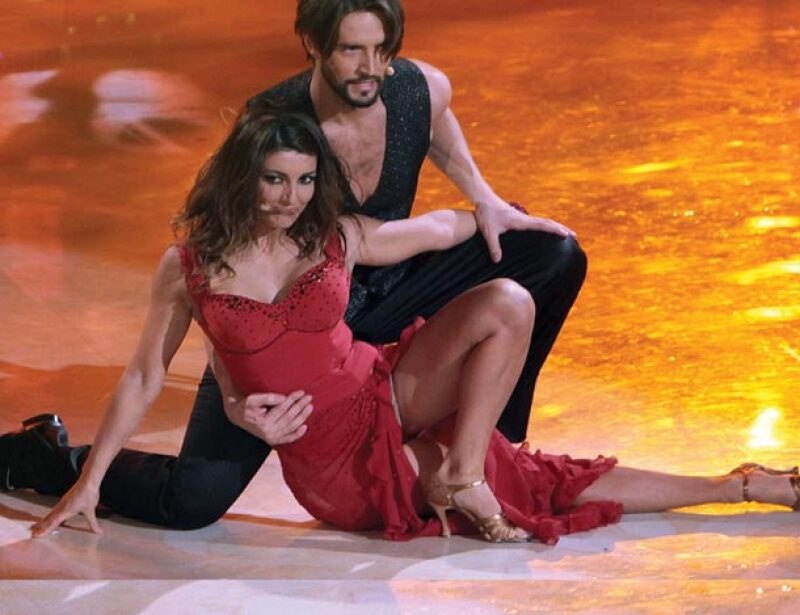
A landmark decision in Italy could improve copyright protection for television formats in Europe. In February the IP Court of Rome granted the BBC a preliminary injunction against Endemol and RTI (Mediaset) as it sought to protect its Strictly Come Dancing format.

A BBC-licensed version of the programme had been aired by Italian public broadcaster Rai for over six years. RTI unsuccessfully argued that its format was different and that the BBC's was based on elements widely featured in other shows. Following the injunction the parties negotiated a settlement.

In Europe, format owners looking for protection have had limited success against alleged infringers, and only by bringing actions based on unfair competition or a breach of confidential information. A good example was Endemol's unfair competition case against Banijay over the programme Dilemme in France, which is on appeal.

With the BBC decision in Italy, a European court has now recognised the copyright eligibility of a format based on a basic level of creativity, giving owners IP protection of a basic TV format for the first time.

This case was selected as one of Managing IP’s Cases of the Year for 2012.

To see the rest, click on one of the cases below.

The 10 cases of the year

A fillip for the EU pharmaceutical sector

Relief for trade mark owners in red sole saga

Australian TV streaming service held to be illegal

Smartphone war hits front page in the US

Liberalising the EU’s software market

India allows parallel imports

Victory for fair dealing in Canada

Lacoste loses its trade mark in China

Google prevails in Android attack

EU test case clarifies class headings

Ten you might have missed

Canada: Ambiguous claims can invalidate patents

Russia: Certainty on parallel imports

Italy: TV formats win copyright for the first time

First FRAND cases litigated worldwide

Monsanto loses in Brazil

Data exclusivity backed by Mexican courts

China: A shift over OEM manufacturing

Authors in the US able to reclaim joint copyrights

Germany: Knitted trainers a sign of the future

India: Financial Times loses trade mark

more from across site and SHARED ros bottom lb

More from across our site

As competing firms come under common ownership, clients may care less about formal conflicts and more about how openly firms discuss them
Facing increased lateral movement and in-house competition, firms are investing in flexible billing hours and tailored career progression to improve associate retention
As the US reflects on 250 years of independence, patent lawyers say innovation is reshaping old hiring priorities, with firms seeking broader IP expertise over specialisation
The Nokia v Acer ruling in the UK suggests arbitration is moving from the sidelines towards the mainstream of global FRAND disputes - and could reshape forum strategy in the process
The Life Sciences Awards is thrilled to present the shortlist for the 2026 Americas Awards
From Türkiye to Poland and Nigeria, firms with deep local roots continue to dominate the top tier, proving that market expertise can outweigh international scale in many CEE, Middle Eastern and African jurisdictions
Former Hoyng Rokh partner Simon Dack takes a leading PMAC role as busy firms continue to jostle for position
Franck Fougere, founder and managing partner of Ananda IP in Thailand, describes how the firm has developed a reputation for patent work and why he believes IP practice is set to change
After two decades at Kass International, Geetha Kandiah discusses the lessons that shaped her career, building an inclusive regional firm, and AI opportunities
Manisha Singh of LexOrbis discusses the need for commercial alignment with clients and why IP lawyers need to have curiosity at their core
Gift this article