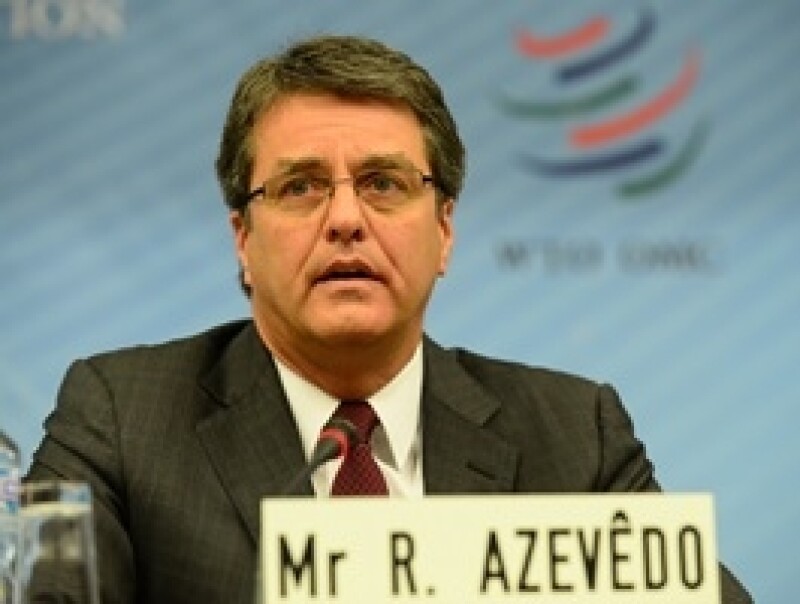
Roberto Carvalho de Azevêdo, Brazil’s ambassador to the WTO, emerged yesterday as the trade body’s new director-general. He will take over from Pascal Lamy on September 1.
His recommendation by the heads of delegation to the WTO comes in the week that countries informally discuss a request by least-developed member states of the WTO to remain exempt from implementing TRIPs, ahead of the transition deadline in June. Médecins Sans Frontières says that if these countries are required to implement the WTO’s IP deal they will need to provide far higher levels of IP protection, which it says would see the cost of medicines and medical products in those countries soar.
Azevêdo’s new role will be challenging. The WTO has not concluded a trade deal for the past 20 years after failing to secure agreement on the Doha round of talks and member states have resorted to bilateral and regional deals to liberalise trade. These FTAs are typically concluded between rich countries or between rich countries and emerging economies.
Some have included so-called TRIPs-plus provisions, such as tougher rules on data exclusivity and extended patent terms than those mandated by TRIPs.
The Brazilian told the media in January that he had no clear plan for breaking the deadlock preventing a new multilateral agreement but that if elected to the WTO’s top job he would listen to delegates and try to understand the driving forces behind their negotiating positions.
He added that trade was simply a means to raise standards of living around the world rather than a goal in itself and that one of the key principles underpinning the WTO is that developing countries have to secure a commensurate share of trade according their needs.
“No country will open up trade if [the leader] believes it will sacrifice the living standards of his people in doing so,” he said. “That’s a political reality that will vary from country to country.”
The election of a candidate from an emerging country and the first WTO director-general to come from Latin America will be welcomed by those hoping that the organisation will give the concerns of developing countries more weight in trade discussions. But few are optimistic he will be able to unlocked stalled talks at the increasingly moribund organisation.