We need to fix software patents, says outgoing Kappos

Managing IP is part of Legal Benchmarking Limited, 1-2 Paris Gardens, London, SE1 8ND

Copyright © Legal Benchmarking Limited and its affiliated companies 2026

Accessibility | Terms of Use | Privacy Policy | Modern Slavery Statement

Cookies Settings

We need to fix software patents, says outgoing Kappos

In one of his final interviews before leaving office as USPTO Director, David Kappos identified “software and software patenting” as the biggest challenge for his successor.

Speaking to Managing IP before he leaves the USPTO this Friday, Kappos said: “There’s been a lot of controversy over the smartphone patent wars and section 101 on the software side and all of that is important, but there’s also an operational aspect to it.”
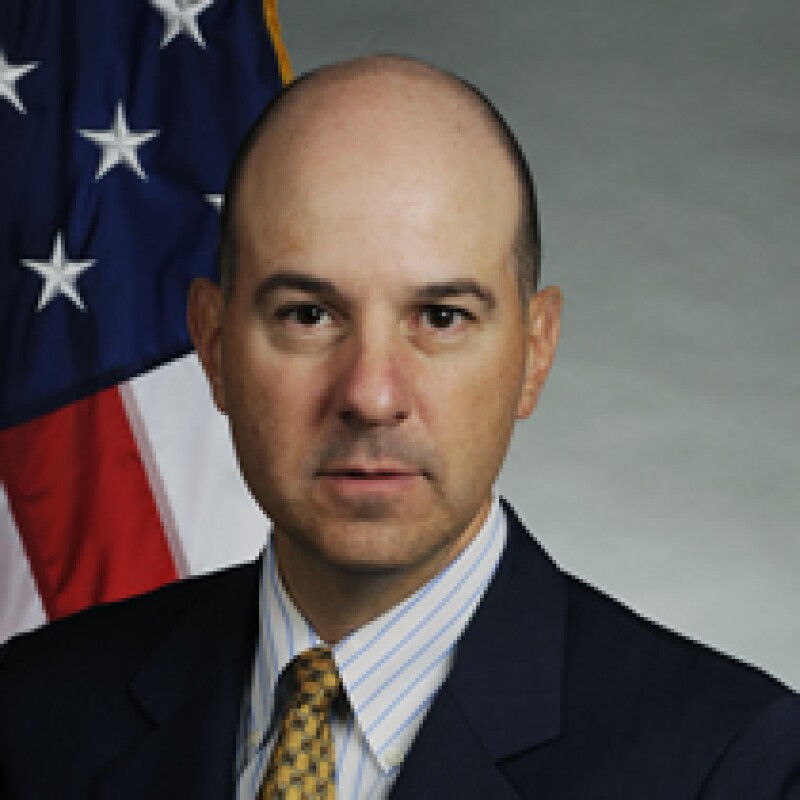
David Kappos

David Kappos

He added: “We already have several initiatives underway, including roundtables on the east and west coasts, but that’s going to need to continue. We’re not done until the software industry says we got it right.”

Looking back on his four-year term, Kappos declined to single out anything in particular he is proudest of: “There’s not any one thing, but the giant slate of things we have undertaken and the dizzying array of things we’ve done. When you line up all the projects next to one another, it’s pretty overwhelming.”

He also provided two bits of advice to his (as yet unnamed) successor: listen to your stakeholders and use their guidance and partner with your workforce, especially labour unions.

The full exclusive interview is only available on managingip.com (subscription or free trial required).

Kappos’s comments come as the Court of Appeals for the Federal Circuit prepares to rehear en banc the controversial business method patents case CLS v Alice next week.

The Court has overturned its split decision in July last year to uphold Alice’s patent claims for a computerised trading system which minimises risk.

In 2010 the US Supreme Court said the Federal Circuit’s machine-or-transformation test should not be “the sole test” for patent eligibility.

Meanwhile, the USPTO Patent Trial and Appeal Board has decided its first case under the new Covered Business Method review procedure, SAP v Versata.

The implications of the CLS v Alice hearing and the SAP v Versata decision are discussed further in Federal Circuit and USPTO seek to clarify business method patents (subscription or free trial required).



more from across site and SHARED ros bottom lb

More from across our site

Three successive wins have got the firm eyeing additional opportunities as ITC work booms
While many firms remain focused on generative AI, recent hires and practice launches suggest the next battle may be for lawyers who understand how AI is moving into the physical world
The explosion of data centres has prompted patent pool operators to create new licensing opportunities
The court struck out copyright claims brought by Ladbrokes owner Entain, saying that ownership details should have been completed before litigation began
Düsseldorf has overtaken Munich as the UPC's busiest division, while firms including Winston Taylor, Clifford Chance, and Hoyng Rokh Monegier featured in disputes involving Abbott, Essity, Amazon and Hurom
The managing partner gave up an equity partnership track in New York to build a practice in India. More than a decade later, she discusses entrepreneurship, leadership, and why women should not wait before taking the next step
Vice presidents Shinya Jitsuhiro and Hirohisa Suzuki discuss litigation trends in Japan, recruitment challenges and clients’ international expansion
IP boutique Petillion represented IKEA in the dispute, which concerned the use of the multinational’s trademarks in an immigration-focused campaign. The firm tells Managing IP how it secured the outcome
The Pizzeys-Griffith Hack integration was designed to create a stronger Australian IP platform but with several ex-Pizzeys principals now gone, the deal's success may depend on where clients place their trust
Thomas Lonsdale and Hsu Min Chung of HGF explore the practical impact of the EPO’s Enlarged Board of Appeal’s decision in G1/25 and its interplay with G1/24
Gift this article
