A trade mark registration No 570712 was obtained by a Russian R-line company in relation to goods in Class 12 and services in Class 36. Volkswagen AG appealed against the registration of that trade mark.
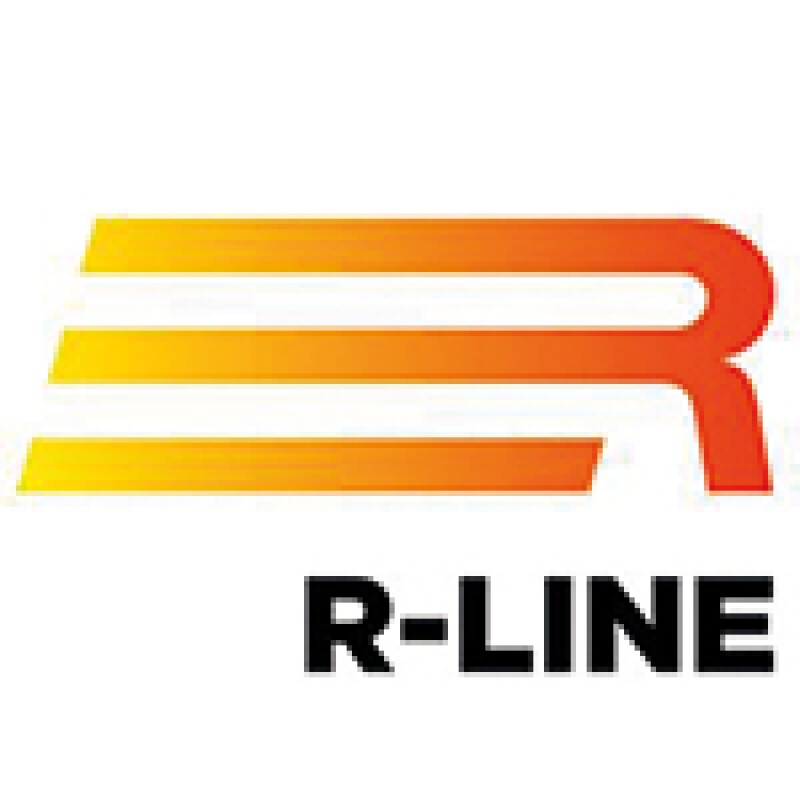
Volkswagen argued that the disputed trade mark might confuse the consumer in respect of goods in Class 12 because its word element R-LINE is similar to the designation R-Line, which was used in Russia before the date of priority of the disputed trade mark in relation to Volkswagen cars with an R-Line trim. As a result, it argued that the trade mark is associated with Volkswagen rather than the trade mark owner. To support its claim, Volkswagen produced an array of documents, including publications in Russian magazines advertising Volkswagen cars with this trim, sales contracts, etc.
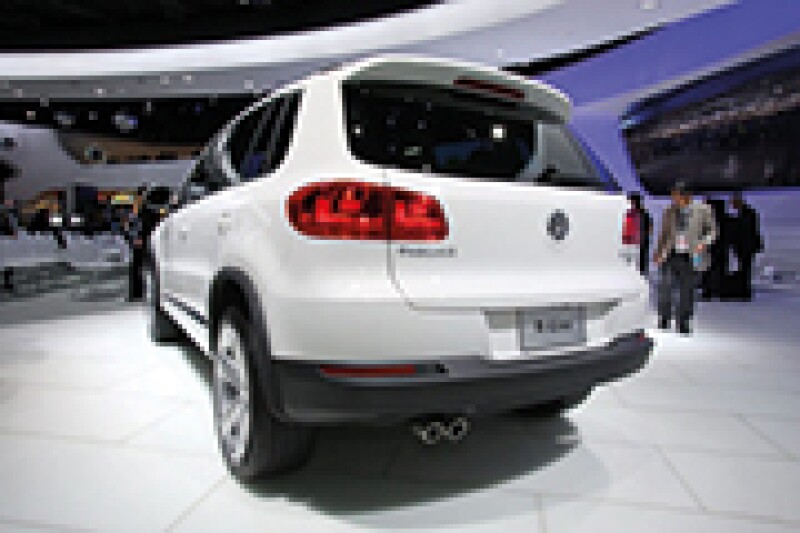
The Chamber of Patent Disputes examined the documents and confirmed that a designation similar to the word element R-LINE in the disputed trade mark had been used during the period before the priority date of the disputed trade mark by Volkswagen Group Rus. Ltd. controlled by Volkswagen AG and trading in cars, but not by the trade mark owner.
Consequently, the goods labelled with the disputed trade mark were perceived by consumers as those produced by Volkswagen, i.e. cars. At the same time, the examination board did not find any grounds to state that the disputed trade mark did not conform to the requirements of Article 1483(3) of the Civil Code and that Volkswagen AG, the appellant, could be interested in cancelling registration in relation to other goods in Class 12 unrelated to cars, i.e. air, water and railway transport means.
The appellant's representatives, when asked during the hearing, confirmed that they are not engaged in any activities related to production of air, water or railway transport means.
As a result, the board of examiners decided that the disputed trade mark should be cancelled only in relation to land automotive vehicles of various type such as cars, lorries and trailers.

|
Vladimir Biriulin |
Gorodissky & PartnersRussia 129010, MoscowB. Spasskaya Str25, stroenie 3Tel: +7 495 937 6116 / 6109Fax: +7 495 937 6104 / 6123pat@gorodissky.ru www.gorodissky.com