
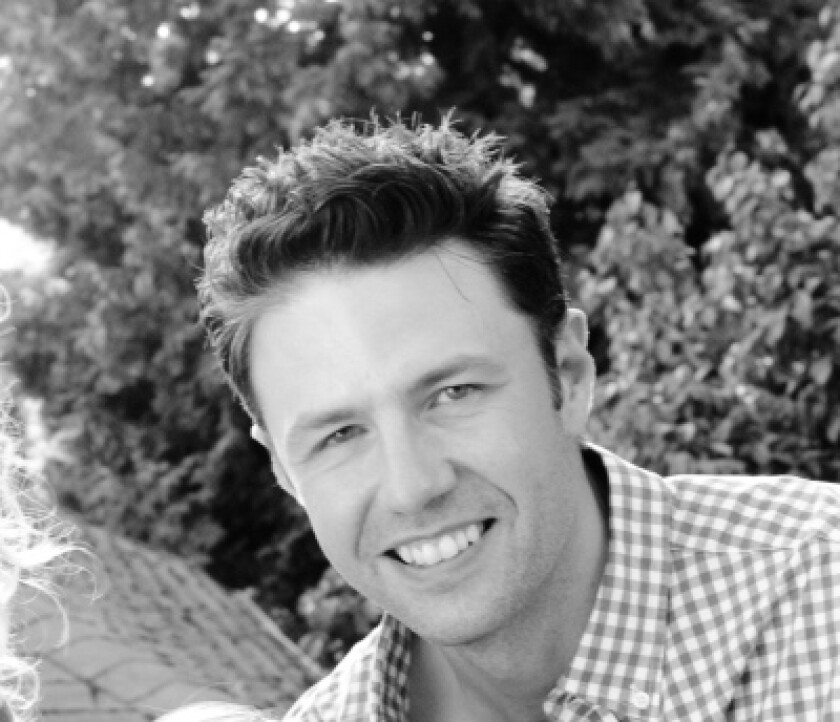
How long have you been at Twitter?
I have been here a little over a year. I came on as Twitter’s first trademark counsel, and manage the trademark, domain and marketing practices here. Prior to that I was at Amazon for three-plus years in Seattle, and before that I was at the firm of Kilpatrick Townsend in the New York office.
Being the first was definitely something that attracted me. To come in and really rethink everything and build a team from scratch was super exciting for me. Twitter as a brand is also used in ways that a lot of brands are not, and to tackle those was really exciting.
The Twitter brand is probably one of the most widely used in the world. People use it to refer to it as Twitter, but they also use it to indicate the source of where their user handles or hashtag campaigns may be. People use it for marketing purposes. People use it in the media to denote where a specific article may be, so it is on just about every media channel so you can share articles.
It is definitely one of the most widely used brands. So fair use is super important to me because we can’t go out and license each one of these specific uses, individuals and brands. I want all those individuals and brands as much as possible to use our bird logo to refer to the platform. But many countries don’t explicitly recognize fair use of logos. Clearly there is no user confusion. People don’t confuse these people as being Twitter, they are referring to the platform. So I don’t believe that such use should harm our brand in any way so long as they are using it to refer to the platform. But I think that the law isn’t quite there yet.
What are Twitter’s main brands?
Our main consumer brands are Twitter—we obviously have a number of brands under Twitter like the bird logo, tweet and retweet—and we have our Vine service, which is our video app, and we just launched Periscope, which is a live streaming video app. Those are our consumer-facing brands. Then we have a lot of other brands that are largely developer and business-to-business facing brands.
How do trademarks fit into the company’s overall strategy?
They are extremely important. The Twitter brand is our most valuable asset in the company. The bird logo is a symbol of not just this platform but of the company itself. Most importantly, the brand also means a lot to our users and other brands. People use that not only as their marketing platform but to refer to their online presence in some cases. So it is important to us to preserve the brand for others to use. That is our chief purpose here: to protect and allow others to use the brand.
What is your strategy for how you use outside counsel?
We use outside counsel globally for a variety of trademark, domain and marketing issues, whether that is prosecution or enforcement. What I look most for in outside counsel is an understanding of the product and technology, especially when you are doing things that haven’t been done before. I know the phrase is used frequently, but I look for thinking outside the box, thinking about everything, such as how do we rethink how to enforce a trademark. And I look for a passion for what we do. Passion and personality mean not just a lot to me, but to the company. We have a series of core values and one of them is to recognize that passion and personality matter. I actually have it emblazoned on my laptop. That’s my favorite of the core values. So when I look at outside counsel I want someone who has passion and lots of personality.
Generally people who have that are probably closer to the product and those people tend to be younger than the more senior people at law firms when we are looking at outside counsel.
What countries cause the most issues for you?
The places where we face the most issues are less IP focused than they are free speech focused. We are a free speech platform. We define ourselves as a real time information network. But certain governments have blocked access to Twitter. One of our core values is reaching everyone on the planet, and we can’t do that if governments have blocked access to Twitter.
What are you looking forward to at this year’s INTA Annual Meeting?
You can kill all of your birds with one stone. It is a great place to meet your global counsel if you have issues. It is the only place and the only time where I can really get anybody in the same room. On the Friday before the Annual Meeting we are going to have our first outside global summit. We are going to have everyone in the same room and for two hours we are going to talk about Twitter, we are going to talk about what it is, everybody is going to tweet something, we’ll talk about what issues we are facing.
Are you seeing any impact from the launch of the new gTLDs?
I’m involved at INTA on the new gTLD Subcommittee. Some days I think I live and breathe gTLDs. But honestly right now we are looking at gTLDs just in terms of registrations from a defensive standpoint and for possible marketing use.
We have had some challenges that a lot of others have faced, such as premium pricing. A few of our brands were on the name collision list where ICANN blocked the ability for us to register those names. We have all the same issues that the brands have with .sucks and some of the other TLDs that have been somewhat controversial. But has it had a huge user impact? Not yet. Nothing more than any other brand has to face.





