
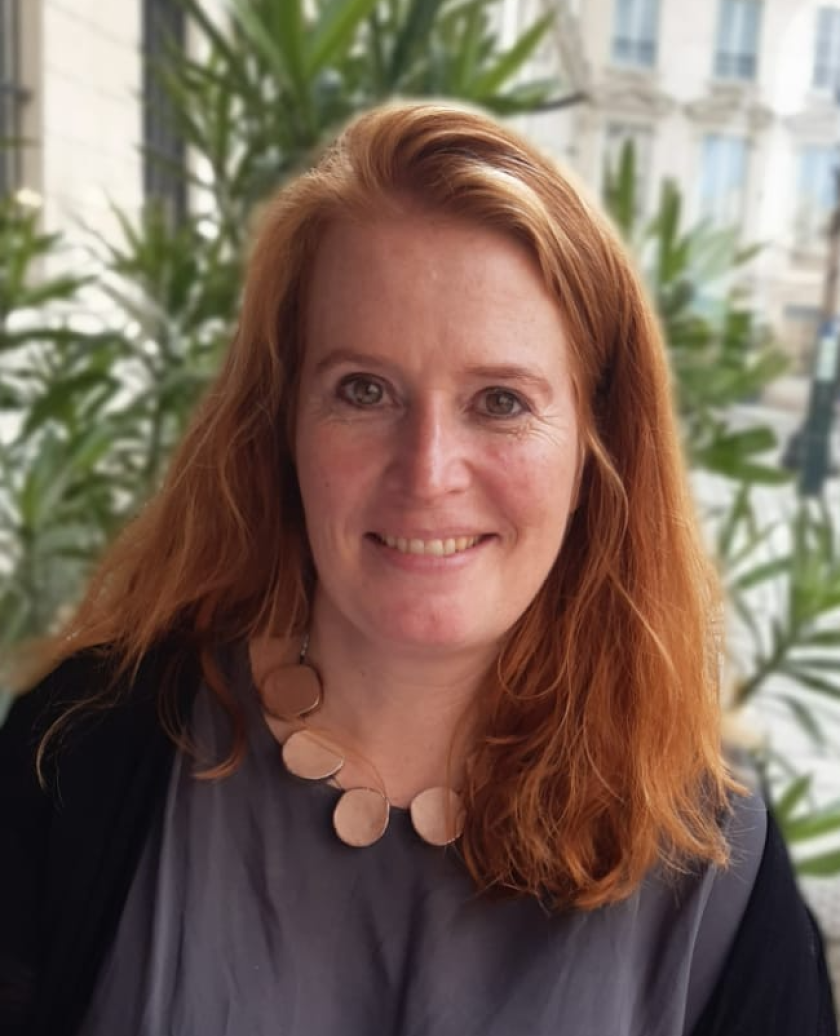
Welcome to the latest instalment of Managing IP’s ‘Five minutes with’ series, where we learn more about IP practitioners on a personal as well as a professional level. This time we have Brigite Spiegeler, partner at Spiegeler Advocaten in The Hague.
Someone asks you at a party what you do for a living. What do you say?
I create solutions — both in art and law. This answer usually sparks curiosity, leading to all kinds of interesting conversations. People want to know how these two worlds connect, and that’s where it gets fun.
Sometimes, I take a more philosophical approach and say: “I balance logic and creativity—navigating legal complexities while also exploring artistic expression”. It’s this duality that keeps my work dynamic and endlessly inspiring.
Talk us through a typical working day.
My day starts early, by the sea – either with a refreshing dive or a peaceful walk to clear my mind. Then, I head to the office, greet my team, and dive straight into the pressing matters of the day. If a court hearing is scheduled, I finalise my pleadings and head to court, fully immersed in the challenge of advocacy.
On non-hearing days, I dedicate focused time to preparing cases in depth, analysing details, and refining strategies. Later, I connect with clients, provide counsel, and engage in brainstorming sessions with my team – ensuring that every case benefits from sharp insights and a strong collaborative approach. No two days are ever the same, and that’s exactly what keeps the work exciting.
What are you working on at the moment?
Right now, I’m juggling several counterfeiting cases, alongside other IP infringements. One particularly interesting case involves an artist whose work has been copied and commercially exploited by a major company in the world of decoration and furniture.
Beyond litigation, I’m also involved as a mediator in an ongoing mediation process, helping to navigate complex negotiations. At the same time, I’m collaborating with my colleagues on drafting and reviewing license agreements, ensuring that creativity and business go hand in hand with solid legal protection. No day is ever the same, and that’s what makes it so engaging.
Does one big piece of work usually take priority or are you juggling multiple things?
There’s almost always one major case that demands immediate attention like a seizure that must be handled within a strict timeframe, leaving little room for delay. But in reality, the job is a constant balancing act.
Most of the time, I manage multiple cases at once, each requiring strategic thinking and careful coordination. It’s not just about keeping everything moving; it’s about providing the right input at the right time, ensuring that my colleagues and clients have the clarity and direction they need. The challenge lies in maintaining focus while staying adaptable. In this field, priorities can shift in an instant.
What is the most exciting aspect of your role and what is the most stressful?
I love litigating. Litigating is both the most exhilarating and the most demanding part of my job. I thrive on the adrenaline of building a compelling argument, anticipating counterarguments, and presenting a case in court. The strategic thinking, the unpredictability, and the challenge of persuading a judge make it incredibly rewarding.
But with that excitement comes intense pressure, tight deadlines, high stakes, and the responsibility of ensuring the best possible outcome for my clients. It’s a constant balancing act between the thrill of advocacy and the weight of expectation, but I wouldn’t have it any other way.
Tell us the key characteristics that make a successful IP lawyer/practitioner.
A successful IP attorney needs a sharp eye for detail and the ability to listen carefully, both to clients and to the nuances of a case. Strong analytical skills are essential, but so is the ability to think pragmatically and communicate persuasively.
IP law is as much about strategy as it is about legal knowledge; being able to translate complex legal concepts into clear, actionable advice is crucial. Thorough preparation is non-negotiable, but in the end, success is measured by practical results—mitigating risks, managing costs, and maximising benefits for the client.
What is the most common misconception about IP?
I’d say there are two. The first is that IP isn’t important and can be dealt with later when in reality, early protection is crucial to prevent costly disputes down the line. The second is that IP law is overly complex and inaccessible. While it can be intricate, a good IP practitioner should be able to break it down into clear, practical terms, ensuring that clients understand their rights and the value of protecting their intellectual assets.
What or who inspires you?
Inspiration can come from anywhere and sometimes in the most unexpected places. Nature is a constant source of creativity and perspective, offering both clarity and new ideas. Art, in all its forms, sparks imagination and challenges the way we see the world. Literature, too, plays a crucial role, providing depth, wisdom, and a window into different minds and experiences. Whether it’s a striking painting, a thought-provoking book, or simply the rhythm of the sea, inspiration is everywhere for those who are open to it.
If you weren't in IP, what would you be doing?
I would be an artist – immersing myself fully in creativity. But ironically, I would probably still find myself drawn to the world of IP, as it’s a constant source of inspiration. The intersection of law and creativity fascinates me, and I love the way IP protects and shapes artistic expression. So even in another life, I might not be able to escape it completely!
Any advice you would give your younger self?
Embrace the journey, not just the destination. Don’t rush through experiences in pursuit of the next goal; take the time to appreciate where you are, the people around you, and the lessons along the way. Every challenge is an opportunity, and every success is worth celebrating.
What is your motto in life?
Enjoy every moment. Life moves fast, and it’s easy to get caught up in plans, goals, and deadlines. But true fulfillment comes from appreciating the present — whether in big victories or small everyday joys. Staying present, embracing challenges, and finding beauty in the journey make all the difference.





