Plavix case settled before Supreme Court of Canada hearing

Managing IP is part of Legal Benchmarking Limited, 1-2 Paris Gardens, London, SE1 8ND

Copyright © Legal Benchmarking Limited and its affiliated companies 2026

Accessibility | Terms of Use | Privacy Policy | Modern Slavery Statement

Plavix case settled before Supreme Court of Canada hearing

A case that was expected to provide guidance on Canada's "promise" doctrine of utility and the test for sound prediction of utility has been settled a day before it was due to be argued at a Supreme Court hearing

plavix.jpg

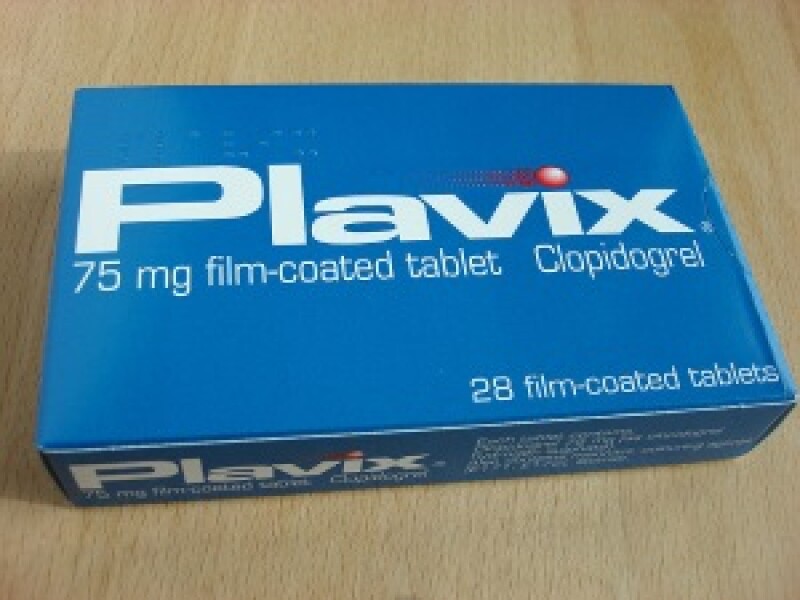
On November 3, Apotex discontinued its appeal to the Supreme Court of Canada regarding the validity of Sanofi-Aventis' patent claiming clopidogrel bisulfate, which is marketed as Plavix. As a result, the Supreme Court hearing scheduled for November 4 has been cancelled.

Plavix is used to prevent blood clots after a heart attack or stroke.

Observers were hoping the case would provide some certainty around the scope of the utility requirement. In an amicus brief in the case, AIPPI noted that following the Supreme Court of Canada’s decisions in AZT in 2002 and Viagra in 2012 “there has been uncertainty with respect to the precise scope of the utility requirement under Canadian law and in particular the extent to which the utility of a patented invention should be disclosed or supported in the patent specification.”

In AZT, the Court stated that utility must either be demonstrated or be a sound prediction based on information and expertise available at the filing date. In Viagra, the Court declined to decide the scope of any disclosure requirement associated with “sound prediction”. The brief stated that this “remains an open question in the jurisprudence of this Court, and an area of significant uncertainty in Canadian law”.

Other organisations that filed briefs in the case include BIOTECanada, Canada’s Research-Based Pharmaceutical Companies, the Centre for Intellectual Property Policy, the Canadian Generic Pharmaceutical Association and FICPI.

more from across site and SHARED ros bottom lb

More from across our site

Executive chair Matt Dixon, who reveals a new associate hire, says the firm wants to offer a realistic pathway to partnership while avoiding the ‘corporate machine’ route
Mayer Brown’s role in cardiovascular technology dispute reflects how firms are pursuing precedent-setting cases to try and guide AI and patent law
Kevin Mack, Via’s new president, emphasises the importance of collaborative licensing structures and shares how AI tools can help create new lines of business
A Tokyo District Court ruling concerning movie spoilers, and a second chance for VLSI against Intel were also among the top talking points
Practitioners believe new AI tools at the USPTO will not replace lawyers or disrupt revenue, but instead expose where a trademark attorney’s value lies
Leighton Cassidy Legal hopes to leverage its founder's international experience and provide clients with a rare chance to receive litigation and prosecution under one umbrella
UKIPO rejects trademark application for 'Cristiano Ronaldo Origins' following opposition by Beck Greener client in a rare case that considered actual use
Partners at both firms have voted in favour of the tie-up, which marks ‘the largest law firm merger in history’
Head of IP, Andrew Brennan, and new partner, France Delord, explain how tech provides an edge in the battle for global brand owners’ business
Anton Hopen, shareholder at Trenam Law, shares how counsel should construct Section 101 claims as early 2026 PTAB data shows reversals rising in technical cases
Gift this article