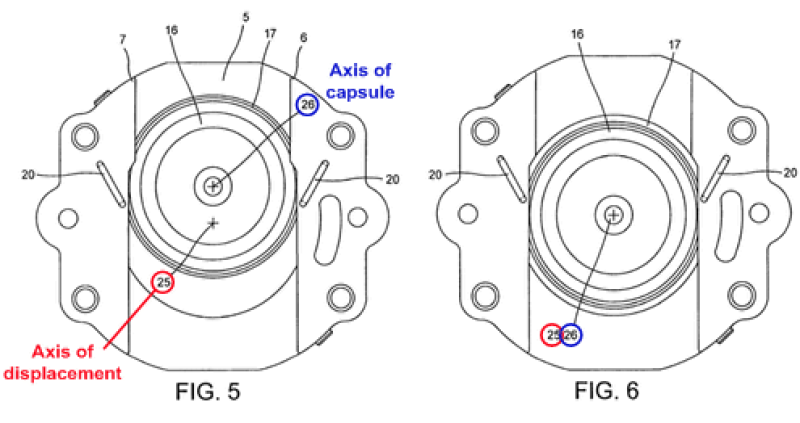
Nestec, which owns the Nespresso brand, accused Dualit of infringing its EP (UK) 2 103 236 patent by supplying coffee capsules that consumers can use in the Swiss company’s Nespresso machines. Dualit denied infringing the patent, which it said was invalid on the grounds of prior use by Nestec.
On Monday Mr Justice Arnold ruled that the patent was invalid and that, even if it was valid, Dualit had not infringed it.
Leslie Gort-Barten, managing director of Dualit and a defendant in the case, welcomed the ruling, describing it as victory for consumers and a “win-win” for retailers: “Not only will it grow retailers’ profits since they have greater access to the lucrative replacement capsule sector but we see it will boost the overall popularity and sales of coffee machines – the UK coffee culture is currently worth £4 billion annually,” he said.
Arnold criticised the parties for litigating a range of issues, rather than “concentration upon the essentials”. He also rejected Nestec’s arguments that the facts that its machines were fitted with “tamper proof” screws showed that the machines were not intended to be disassembled.
“In my judgment it makes no difference that the screws were ‘tamper proof’”, said Arnold. “The screws were only ‘tamper proof’ in the sense that slightly more specialised, but nevertheless widely available, equipment was required to undo them than ordinary screws. It follows that a skilled person in the position of the consumers could readily disassemble one of the machines. In the absence of any obligation of confidentiality, he would have been free in law and equity to disassemble the machine and to use the information gained thereby. Thus the information was made available to the public.”
Litigation over IP rights for coffee machines and capsules is being conducted between various companies in disputes in many European countries.
Simon Thorley QC and Benet Brandreth, instructed by Bird & Bird, advised Nestec, Nestlé Nespresso and Nespresso UK. Mark Vanhegan QC and Anna Edwards-Stuart (instructed by Jensen & Son) advised Dualit.
In a statement, Daniel Weston, general counsel for Nestlé Nespresso, said the company was disappointed with the ruling and considering its options: “We believe the decision is inconsistent with the ruling by the European Patent Office in April 2012, confirming the validity of a key patent for the Nespresso system."