When evaluating bad faith claims, the Turkish Patent and Trademark Office (TPTO) considers several matters, but predominantly if the trade mark is an original sign that was created by a prior right holder. In a recent decision, the Office made an exemplary decision concerning bad faith.
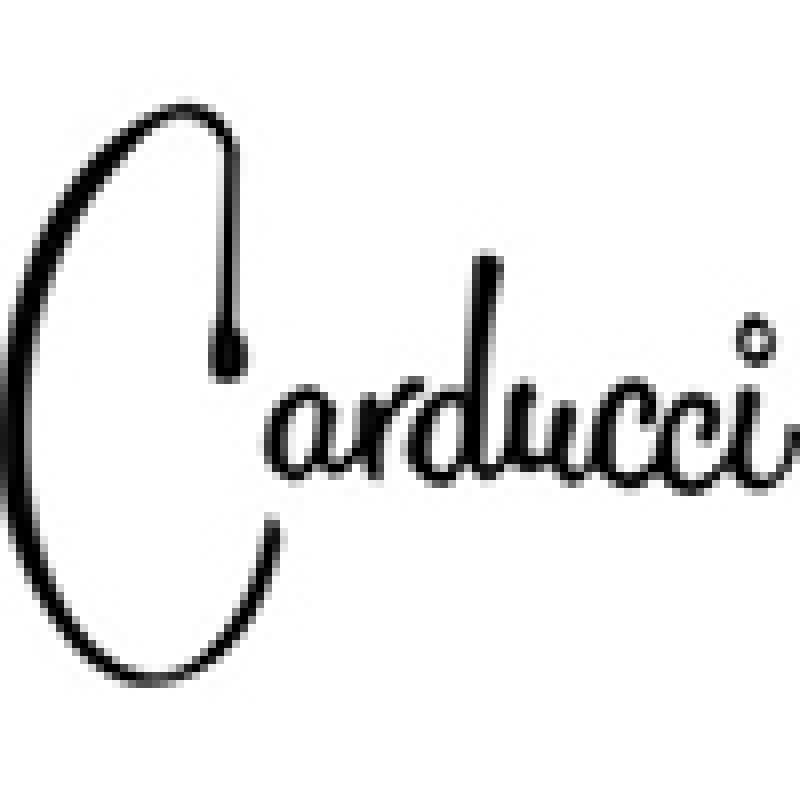
The trade mark Carducci is owned by House of Monatic (Pty) Limited of Republic of South Africa. The stylised sign was first created in 1978, yet the firm does not have an earlier registration in Turkey. A Turkish entity filed an application for the same trade mark on the same goods and faced an opposition. This Turkish entity also has registrations for Carducci in different forms that go back as early as 2005. These were also challenged through an invalidation action, pending at the time of the Office decision which is the subject of this article.
The opposition against the stylised application was based on the grounds of genuine right ownership of the opponent, bad faith of the applicant, well-known status of the opponent's trade mark and copyright ownership of the relevant sign. The opposition was rejected in the first instance, but the Board of the Office overturned the decision upon appeal and decided for refusal of the trade mark application as a whole, solely on the ground of bad faith.
The Board concluded that the signs are identical and the applicant, who operates in the same sector as the opponent, could not have filed this identical application by coincidence, that the application shows the applicant's intention to move closer to the opponent's trade marks, and that the application is in bad faith. Despite the fact that this decision confirms the opponent's genuine ownership of the sign, as per the Office's settled practice, the genuine right ownership claim was officially rejected due to lack of earlier use of the ground trade mark in Turkey.
Bad faith applications are a big issue in the Turkish trade mark system. With this decision, the Office overlooked the applicant's earlier registrations and acknowledged bad faith as a sole ground for refusal – at least for original trade marks – despite the fact that genuine right ownership cannot always be acknowledged.

|

|
Zeynep Seda Alhas |
Baran Güney |
Gün + PartnersKore Şehitleri Cad. 17Zincirlikuyu 34394İstanbul, TurkeyTel: + (90) (212) 354 00 00Fax: + (90) (212) 274 20 95gun@gun.av.trgun.av.tr