
In two decisions rendered by the Romanian Trade Mark Office (TMO) in June 2016, the examiners found that two national applications depicting fictional characters were lacking distinctive character and therefore rejected their registration in Romania for the generic class headings of the goods and services in classes 7, 9, 28, 35, 37 and 42 of the International Nice Classification.
The applicant, Skin Media SRL, contested both decisions in an attempt to convince the Appeals Committee of the Romanian authority that they fulfil the conditions prescribed by the Romanian Trade Marks Law 84/1998, republished for being accepted at registration. Both appeals continue to be pending.
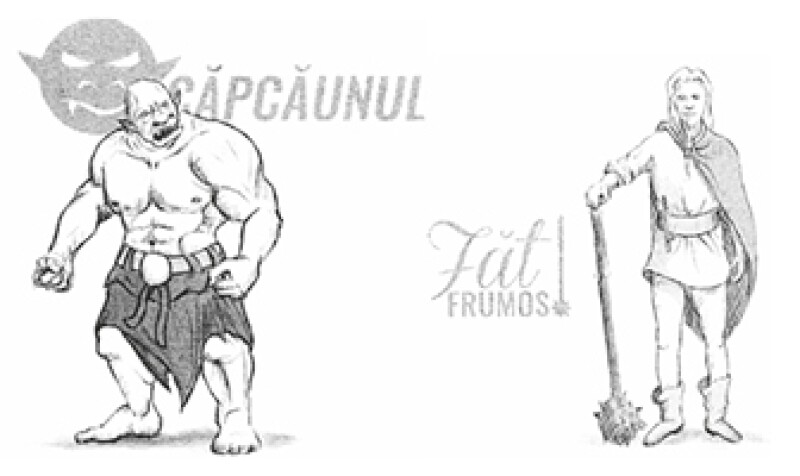
The applications, Cāpcāunul, national filing number M 2015 05895 (the Romanian version for the Ogre), and Fāt Frumos!, national filing number M 2015 05893 (the Romanian version of Prince Charming) were refused by the TMO examiners by invoking ex officio the absolute grounds for refusal pursuant to article 5 (1) b) of the Trade Marks Law providing that applications lacking distinctive character will be refused at registration or, if registered, they are liable to be cancelled.
TMO's Examination Committee expalined its decisions by stating that the signs are each composed of the name of a mythological character adjoined by its corresponding graphical representation. The examiners identified both characters to be defined in the Romanian language official dictionary (Cāpcāunul representing in popular Romanian fairy tales a fabulous creature – a dog's head on a human body, sometimes, with two heads – which was said to eat people, while Fāt Frumos! represents a hero endowed with essential qualities, such as courage, virtue, purity, beauty, both physical and spiritual force, passion and faithfulness in love) and considered this aspect to confirm the lack of distinctive character for the designated goods and services. No other motivation was provided in the refusal decisions.
In the initial responses in defence filed by the applicant in reply to the official notices that preceded the refusal decisions, arguments detailed that the complex figurative signs applied for protection do not represent the usual, normal way to refer to or in any way identify or describe the goods and services at issue. More so, the signs will not allow an average consumer, with a reasonable degree of attention, to establish a direct connection between the signs and the goods/services requested.
The applicant also argued that the signs are not mere word elements identifying the characters but feature specific graphic devices which were particularly created to be featured in the applications and are not customarily used on the Romanian market in relation to the goods/services relevant for in the cases. Even if they do have a place among the Romanian fictional folklore characters, as also revealed by the EUIPO guidelines on trade mark practice, they could be regarded as lacking a distinctive character when referring to goods/services deriving from the actual tales to which such characters pertain, due to their familiarity among the average audience. However, this would not be the case at issue, in view of the particularities of the goods/services requested in the applications.
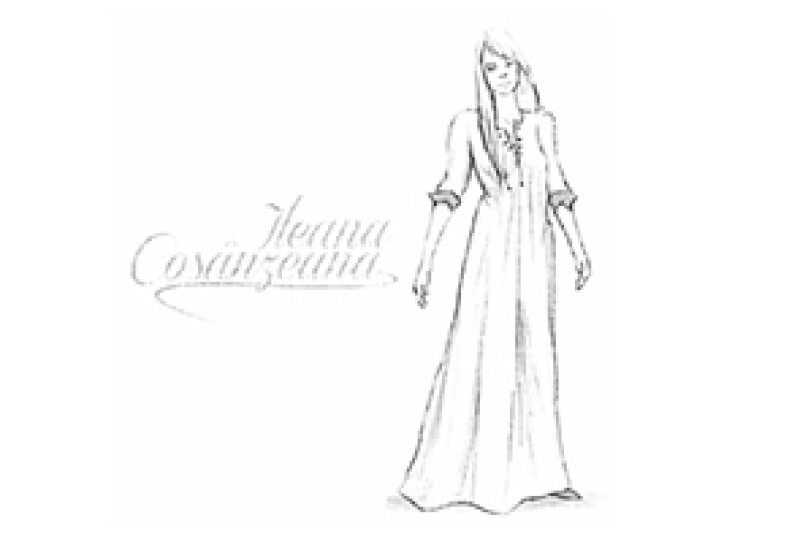
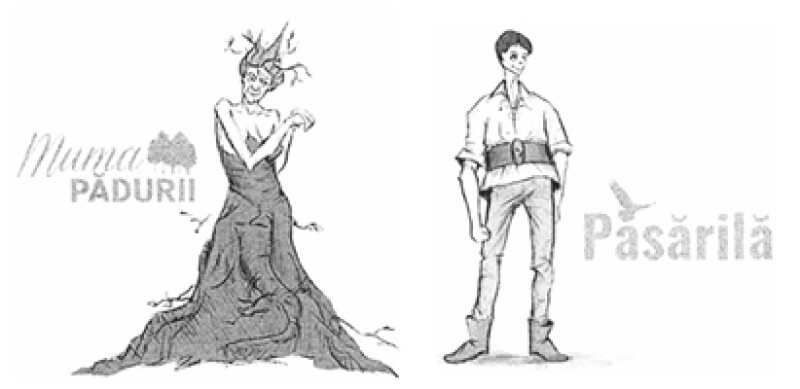
The refusal decisions also show an inconsistent practice among the examiners of the Romanian TMO. This because, in addition to the applications identified above, other applications featuring fictional, fairy tale characters with devices were filed for protection by the applicant at the same time and for the same class headings. All such additional applications, although also provisionally refused, were ultimately accepted at registration by the examiners, finding that the (same) arguments in response are pertinent for overcoming their initial refusals on the same absolute grounds. Among these additional applications we mention Ileana Cosānzeana, filing number M 2015 05891, registration number 144482, Muma Pādurii filing number M 2015 05885, registration number 144481 (the Romanian version of the Witch of the Forest) and Pāsārilā filing number M 2015 05886, registration number 144484 (the Romanian version of Birdman), all accepted for registration in Romania in the name of the applicant for the class headings in classes 7, 9, 28, 35, 37 and 42.
The refusal decisions therefore show that the practice of the Romanian TMO is not aligned when analysing the same absolute grounds for refusal invoked ex – officio by examiners against the same type of applications referring to identical goods and services and it remains to be seen whether the Appeals Committee of the Romanian TMO will overturn these refusals.

|
Andreea Bende |
Nestor Nestor Diculescu Kingston Petersen Bucuresti-Ploiesti 1A, Sector 1Bucharest 013681, Romania+40 21 201 1200office@nndkp.ro www.nndkp.ro



