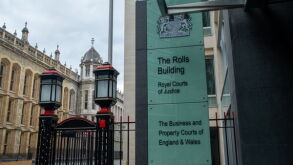
Microsoft goes on troll offensive Microsoft filed suit on Wednesday against controversial patent aggregator Acacia, alleging that it violated a 2010 licensing agreement between the two firms when a number of Acacia subsidiaries sued Microsoft for patent infringement last month.
Microsoft’s accusations against Acacia recall a tactic associated with patent assertion entities (PAEs), namely the use of subsidiaries and shell companies to hide the identities of the true parties in interest. However, critics claim that companies including Microsoft engage in similar practices by investing in PAEs that then proceed to sue others.
Patent trolls such as Acacia have been drawing increasing attention from US lawmakers. Interestingly, some of the most notorious PAEs told Managing IP that they support many of the proposals aimed at reigning in patent trolls.
DC Comics defeats Superman clawback attempt
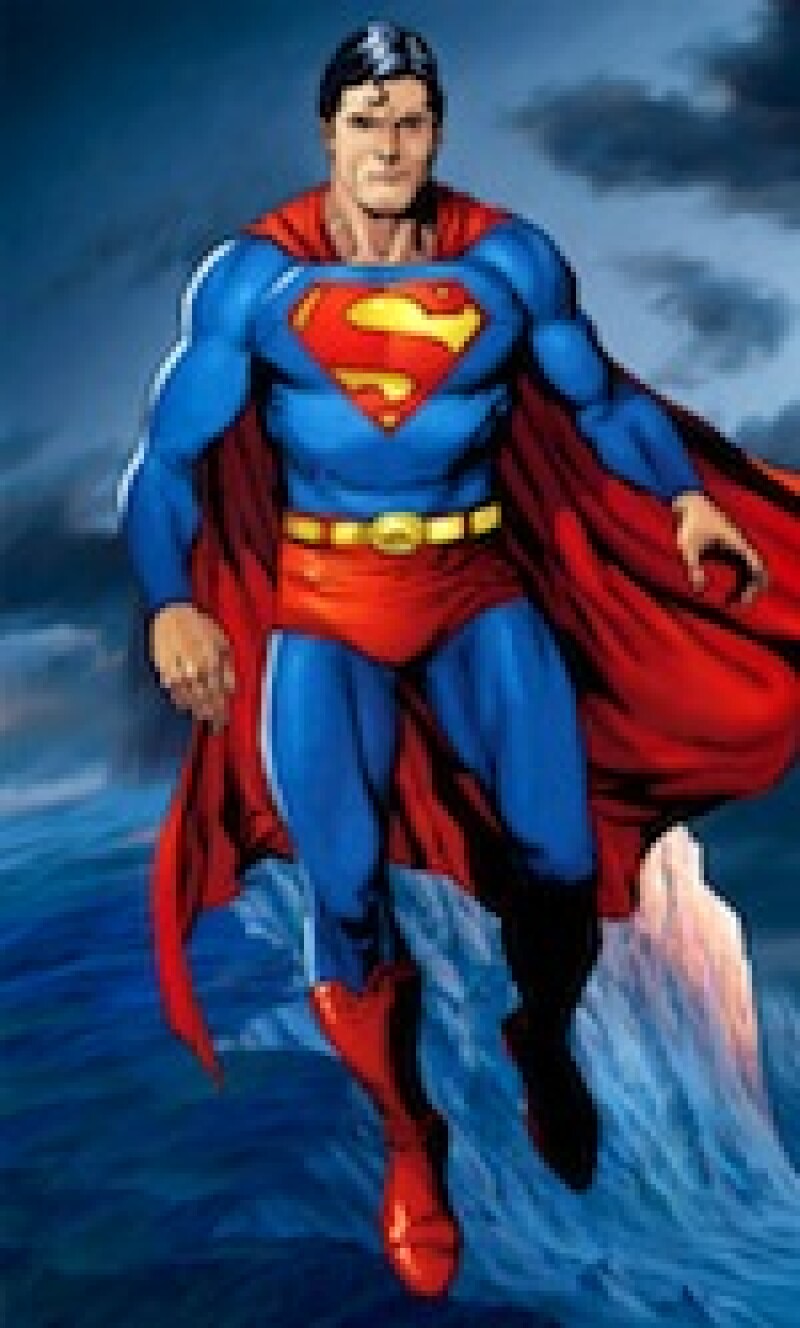
The 9th Circuit ruled today that the estate of Superman co-creator Joe Shuster was not entitled to retake ownership of the copyright under the termination provisions of the 1976 US Copyright Act. Section 304(d), allows authors who had transferred their copyright before 1978 to reclaim the copyright after 35 years, a right that can be exercised by an heir. The court found that Shuster’s estate could not exercise the termination due to a 1992 agreement between the parties in which the heirs received life pensions in exchange for a reassignment of the Superman rights. Because the reassignment took place in 1992, it did not fall within the clawback provisions of the Copyright Act. DC fought a similar battle with the estate of the Jerry Siegel, the other Superman creator, earlier this year. Lawyers expect an increasing amount of copyright clawback cases, given the number of influential (and highly profitable) works created in the 1970s.
Elvis IP portfolio sold
CORE Media Group, the previous owner of Elvis Presley’s IP rights, announced the sale of the rights earlier this week to Authentic Brands Group. The portfolio, controlled through Elvis Presley Enterprises, includes the copyrights to Presley’s music, movies, TV appearances and performances, as well as licensing and merchandising rights and the rights to operate Graceland. Neither party disclosed the purchase price, though Elvis Presley Enterprises said that it has $32 million a year in licensing revenue.
In addition to the rights to Elvis, Authentic Brands also controls rights for Marilyn Monroe and Muhammad Ali.
China proposes intellectual property court
China observers have been closely watching the Third Plenum of the 18th Party Congress for clues about further economic reforms. One keen-eyed IP lawyer caught a short paragraph in The Decision on Major Issues Concerning Comprehensively Deepening Reforms released by the Party Congress, which expresses intention to start a specialised IP court.
No timeline has been given for the creation of the court, though many of the goals set during the Third Plenum are targeted for a 2020 completion date.
The issue of judicial quality in China often arises among international rights holders, though the Beijing and Shanghai courts are well-regarded, with several highly-respected IP specialists. It is unclear whether a specialised IP court would have a major effect on the quality of judgments, though there may be considerable benefit to smaller cities where the courts tend to have less experience with IP matters.
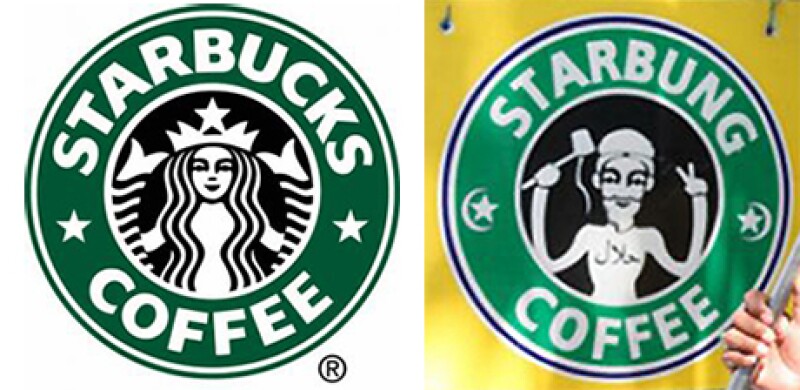
Starbucks takes down Starbung mark
|
Credit: Bangkok Post |
The Bangkok Post reports that Starbucks has settled its dispute with Thai street vendor Damrong Maslee, who has been selling coffee using the “Starbung” mark. The vendor agreed to change the design of his logo and rename his shop “Bung’s Tears” (Bung is the word for brother in Malay). Starbucks had obtained a court order in 2012 instructing Damong to change the name of his stand, but he did not comply.
Neither party received compensation under the settlement, though Starbucks had originally claimed Bt300,000($9,400) in damages and Bt30,000 a month in legal fees.