

A seemingly simple device was patented as a design, but it took the claimant two attempts to cancel it. A patent No 95186 was obtained for a fitting appliance.
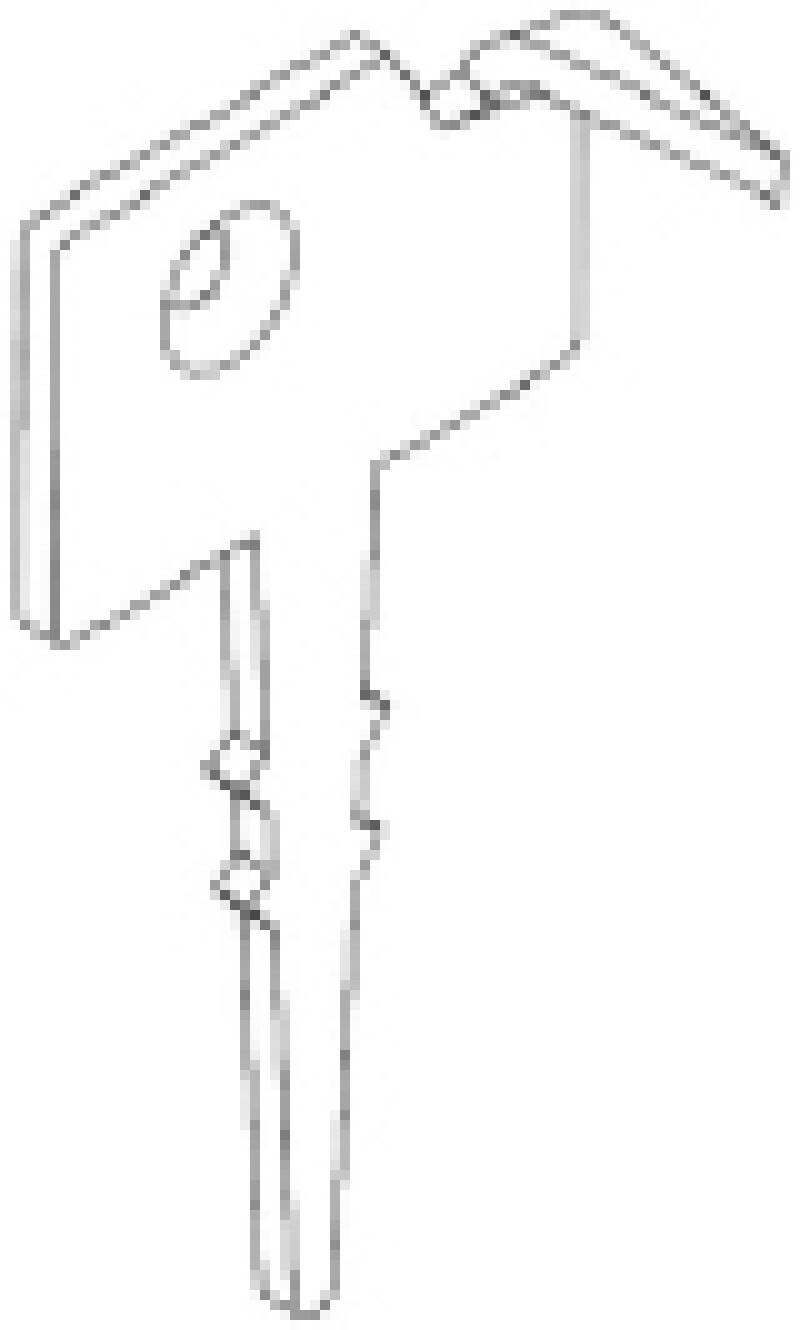
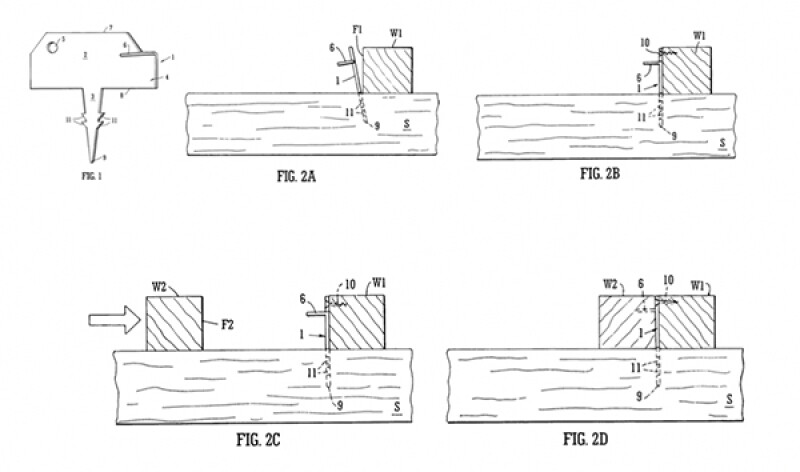
The first appeal was based on the design's non-compliance with the novelty provision. In the opinion of the appellant, the patented design was known from a connection fixture covered by British patent №2360337, published in 2001.
The figures show stages of assembly of the boards using the cited connector according to the British patent, which clearly shows a method of use for such a fixture for making a connection between boards.
The defence, in response to the point that the design did not comply with the novelty requirement, asserted that the design covered by the appealed patent is different from the known connector of boards described in the GB patent No 2360337 due to the essential features as follows:
The appealed design contains direct intercrossing of the upper part with the lateral part.
The appealed design has a conical through opening.
The appealed design contains an indent from the chamber at the upper part to the pin-like element.
As a result, one may conclude that the GB patent No 2360337 does not contain the whole combination of essential features of the appealed patent, and therefore it is not possible to claim that the appealed patent is not novel. The above argument saved the patent and kept it in force. The ink was barely dry on the decision of the Chamber of Patent Disputes when another appeal was filed to the Chamber. This time, the appellant claimed lack of originality of the patented design. The second appeal cited another source, one that had been accepted by the examiner before - namely website printouts showing the appearance of deck connector "Гвозdeck classic". The coined word is a combination of Cyrillic and Latin words meaning “small nail” (https://web.archive.org/web/20150629035555/https://www.gwozdeck.ru/katalog/gwozdeck/classic/). According to the internet service “Web.archive.org", the pictures were publicly available before the priority date of the appealed patent.
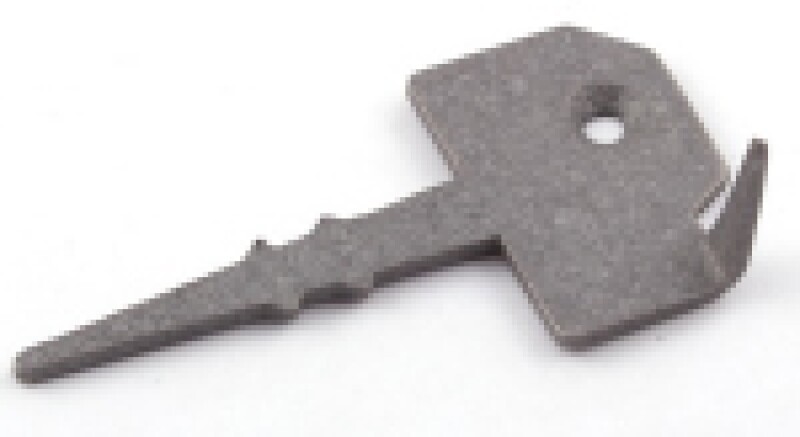
The collegium of the Chamber of Patent Disputes issued a second decision in which it stated that the combination of essential features of the appealed design patent is indeed present in the above pictures and produces on the informed consumer the same general impression as the combination of features of the outer appearance of the known article shown on the website printouts. Hence the design in the patent under appeal does not conform to one of the patentability criteria, i.e. originality.
The bottom line of the case: never give up.

|
Vladimir Biriulin |
Gorodissky & Partners
Russia 129010, Moscow
B. Spasskaya Str
25, stroenie 3
Tel: +7 495 937 6116 / 6109
Fax: +7 495 937 6104 / 6123






