It also was an eye opening visit in terms of what we saw during our brief stay.
A bit of background first. Months ago, an organization that specializes in exchanges with Cuba approached AIPLA about a possible intellectual property related trip to the country. While we certainly had reservations about such a trip, including whether our members would be interested in attending, we eventually moved forward with planning. We did hit a significant snag, however. The organizers said that they were arranging U.S.A. travel authorizations for both the attendees and their companions, but they did not obtain authorization for the companions, leading several delegation members to withdraw from the trip. Nonetheless, 15 AIPLA attendees went to Cuba for five days.
During our stay we learned a great deal about how Cuba is reforming its intellectual property system, including its enforcement mechanisms. We met with a Supreme Court Judge, several law professors and several practicing attorneys. The format of this blog does not allow for a detailed discussion of our trip (although Rich Goldstein, one of the attendees, is preparing a more detailed report). Cuba, we were told, has enacted new legislation converting to a patent system from an inventor certificate system, is privatizing ownership of intellectual property, working to promote a culture of IP ownership (particularly for trademarks as part of its new program allowing home businesses), and is figuring out how to enforce IP rights.
Our group was particularly struck by the gap in enforcement mechanisms. For instance, it seems that there is a system to enforce copyrights on images but not on CDs, because the enabling regulations have not been written yet. I also saw concerns from a developing country perspective that should help me prepare for this spring’s colloquium on international litigation-related privilege issues. From what I saw in Cuba, there is a lot of opportunity for further legal development here, and I truly hope that the future is as rosy (or even half as rosy) as we were told.
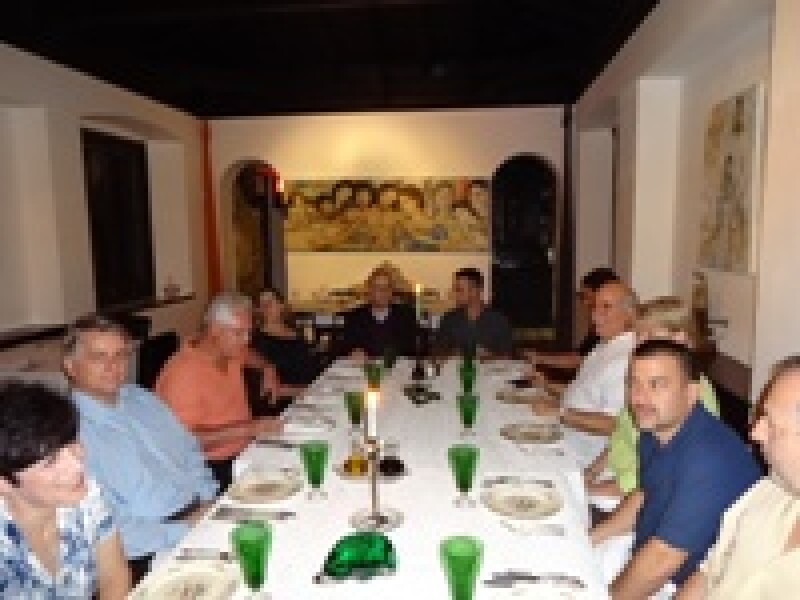
We ate our meals at locations all around Havana. These meals were either in state-owned restaurants or in private homes. A restaurant located in a private home is called a “paladar,” and it is entirely self-run and operated. Not only do paladars compete with each other but they also compete with state-owned restaurants on quality. This is bringing concepts of intellectual property into the Cuban understanding. As you would expect, some paladars are more successful than others, so new paladars are copying the names of the more popular ones. Talk about real-world demonstrations of trademarks and infringement!
Going to different restaurants also gave us a chance to see different neighborhoods, particularly Old Havana. It is completely charming (I’m not just referring to the bars where Ernest Hemingway hung out). Old Havana is a UNESCO World Heritage Site dating from the 1500s and has a rich history, which our guide explained to us as he took us from place to place. Although time was limited, we did have a few hours during which we were on our own to explore the area, visit the historic forts guarding Havana’s port – and Spain's treasures from the New World – from pirates and invaders, and/or tour such as the Museum of Fine Arts and the Museum of the Revolution.
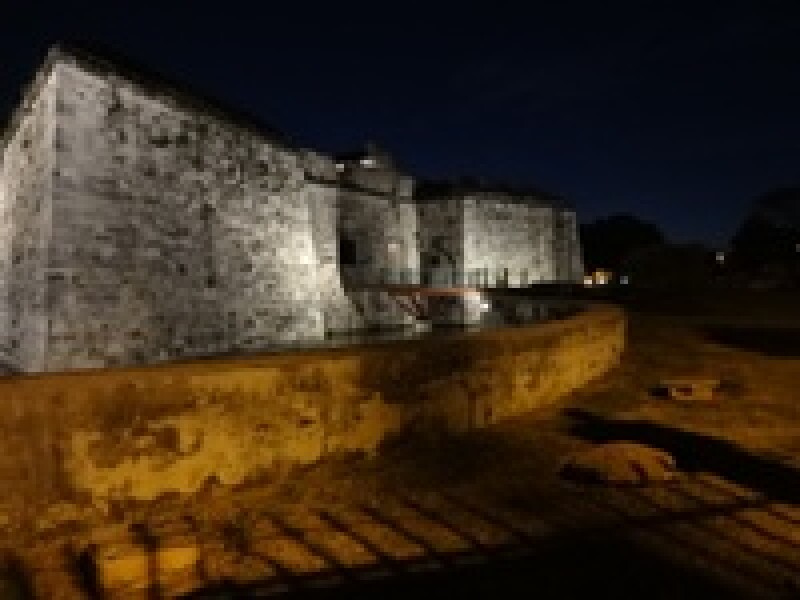
I chose to see the Museum of Fine Arts, along with a few others from our delegation. The museum is beautiful; however it struck me that much of the recent art is sad and dark. After the museum, we walked down one of the main shopping streets (Obisbo), taking in the local color and sights, and then cooled off with Cuba Libres and other local drinks on the patio of the Nacionale Hotel (famous for prior occupants including Meyer Lansky and Lucky Lucciano). During the walk, one of the fort guards – without prompting – introduced himself and told us about the history of the cannons and the port.
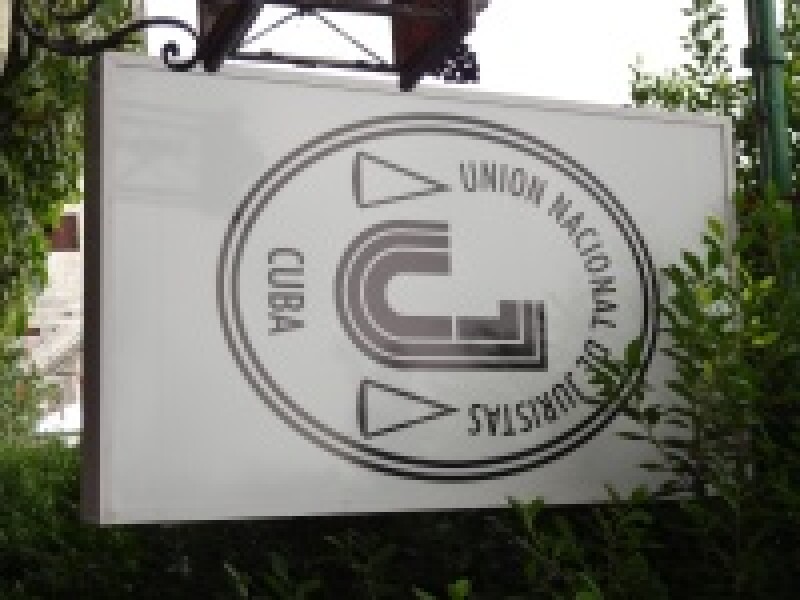
Most of our meetings took place at the Union of Cuban Jurists, but one of the highlights was a visit to the National Lawyers Organization – Specialized Services Firm (Organizacion Nacional De Bufetes Colectivos; Bufete de Servicios Especializados). Not only did this give us the opportunity to see a law office, but we met with an attorney who specializes in trademarks as well as the Organization's Director, Armanda Nuris Piñero Sierra. She not only coordinates all of the legal services, but also is the attorney for Alan Gross and represents the families of the Cuba Five. I am going to avoid discussing the facts or merits of those cases, since each is politically charged, but she gave us a spirited presentation on both of them.

One of the other things that struck the entire delegation was how friendly the people were to us. Given the history of Cuban-American relations we were not completely sure what to expect. But I am pleased to say that the people could not have been nicer. Everywhere we went we were greeted warmly with an abundance of refreshments – many alcoholic, even before lunch – and smiles. Of course, there were cigars everywhere, as well as cigarettes. It was unusual for Americans to see so many people smoking, including in the hotel lobby (the only place where there was internet access, although that was slow and inconsistent). Oh, did I mention the old cars? They were great to see.

All in all I believe that this was a successful trip. We were able to learn a great deal about Cuban law, encourage further advances in keeping with US interests, and enjoy it while seeing new sights. While not a typical trip for AIPLA, it was a great learning experience for our 15 delegates and I hope for the Cubans too.
Thanks for reading,
Jeff