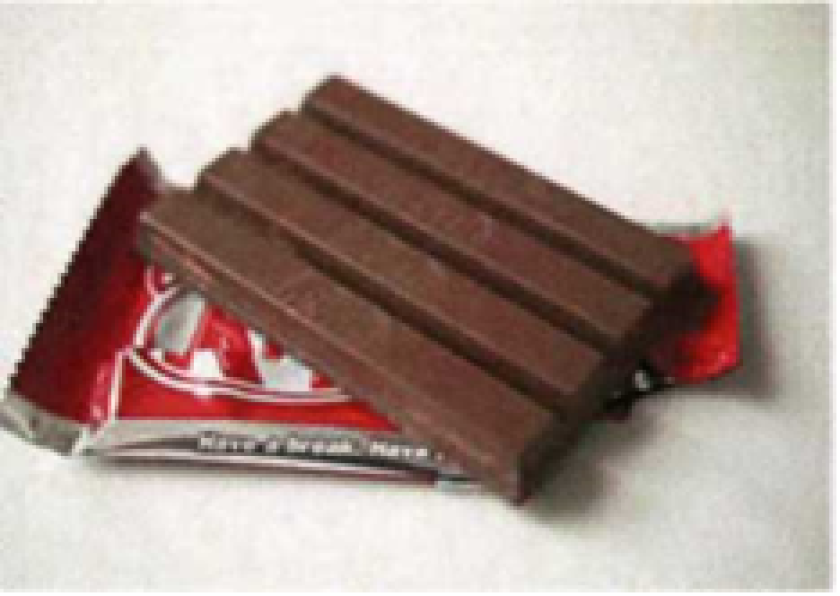
An applicant for a trade mark based on acquired distinctiveness must prove that that mark alone (as opposed to any other mark present on the product) identifies the origin of the goods or services. So said the Court of Justice of the EU in a dispute between Nestlé and Cadbury over the shape of the Kit Kat bar
Unlock this content.
The content you are trying to view is exclusive to our subscribers.
News of prison sentences for ex-Samsung executives for trade secrets violation and an opposition filed by Taylor Swift were also among the top talking points
Duarte Lima, MD of Spruson & Ferguson’s Asia practice, says practitioners must adapt to process changes within IP systems, as well as be mindful of the implications of tech on their practices
New awards, including US ‘Firm of the Year’ and Latin America ‘Firm to Watch’, are among more than 90 prizes that will recognise firms and practitioners
Hepworth Browne led Emotional Perception AI to victory at the UK Supreme Court, which rejected a previous appellate decision that said an AI network was not patentable
James Hill, general counsel at Norwich City FC, reveals how he balances fan engagement with brand enforcement, and when he calls on IP firms for advice
In the second of a two-part article, Gabrielle Faure-André and Stéphanie Garçon at Santarelli unpick EPO, UPC and French case law to assess the importance of clinical development timelines in inventive step analyses
Public figures are turning to trademark protection to combat the threat of AI deepfakes and are monetising their brand through licensing deals, a trend that law firms are keen to capitalise on