We need to fix software patents, says outgoing Kappos

Managing IP is part of Legal Benchmarking Limited, 1-2 Paris Gardens, London, SE1 8ND

Copyright © Legal Benchmarking Limited and its affiliated companies 2026

Accessibility | Terms of Use | Privacy Policy | Modern Slavery Statement

We need to fix software patents, says outgoing Kappos

In one of his final interviews before leaving office as USPTO Director, David Kappos identified “software and software patenting” as the biggest challenge for his successor.

Speaking to Managing IP before he leaves the USPTO this Friday, Kappos said: “There’s been a lot of controversy over the smartphone patent wars and section 101 on the software side and all of that is important, but there’s also an operational aspect to it.”
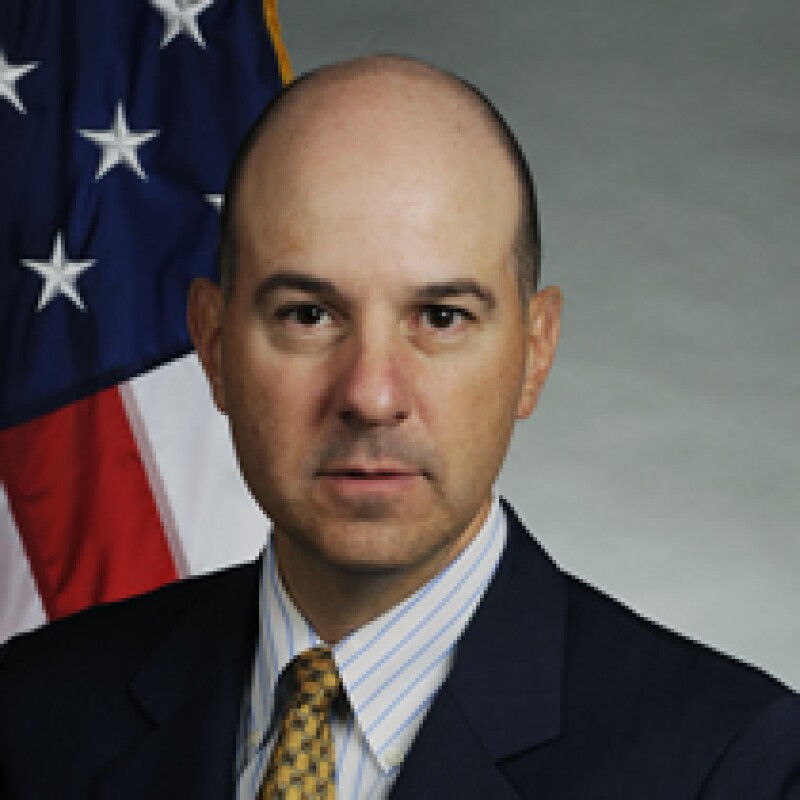
David Kappos

David Kappos

He added: “We already have several initiatives underway, including roundtables on the east and west coasts, but that’s going to need to continue. We’re not done until the software industry says we got it right.”

Looking back on his four-year term, Kappos declined to single out anything in particular he is proudest of: “There’s not any one thing, but the giant slate of things we have undertaken and the dizzying array of things we’ve done. When you line up all the projects next to one another, it’s pretty overwhelming.”

He also provided two bits of advice to his (as yet unnamed) successor: listen to your stakeholders and use their guidance and partner with your workforce, especially labour unions.

The full exclusive interview is only available on managingip.com (subscription or free trial required).

Kappos’s comments come as the Court of Appeals for the Federal Circuit prepares to rehear en banc the controversial business method patents case CLS v Alice next week.

The Court has overturned its split decision in July last year to uphold Alice’s patent claims for a computerised trading system which minimises risk.

In 2010 the US Supreme Court said the Federal Circuit’s machine-or-transformation test should not be “the sole test” for patent eligibility.

Meanwhile, the USPTO Patent Trial and Appeal Board has decided its first case under the new Covered Business Method review procedure, SAP v Versata.

The implications of the CLS v Alice hearing and the SAP v Versata decision are discussed further in Federal Circuit and USPTO seek to clarify business method patents (subscription or free trial required).



more from across site and SHARED ros bottom lb

More from across our site

Yossi Sivan explains how Israeli judgment is a pro-brand owner departure from the norm and why it sends a strong message that corporate structures are not always a shield
Halim Shehadeh, group CEO of IP firm CWB, says that in the rush to discuss what AI can do, IP firms are overlooking the more important question of whether they are ready
Caitlin Heard, who formally joined the firm from CMS last month, says she is excited by the ‘energy’ of the London office
Ranjna Mehta-Dutt, who moved to Chadha & Chadha after 25 years at Remfry & Sagar, says the firm plans to expand its life sciences practice through targeted recruitment and dedicated teams for bigger clients
The initial contempt of court claim targeted Stobbs and the firm’s client for allegedly interfering with the administration of justice
Acquisition of platform developed by Boehmert & Boehmert lawyer set to create a combined platform for patent drafting and prosecution in Europe
Partner Rob Jacob unveils plans to offer a beginning-to-end trademark service, how to make prosecution profitable, and why IP ‘buy-in’ from the CEO stands the firm in good stead
Attorneys at Di Blasi, Parente & Associados share how the protection of trade secrets strengthens innovation by bringing together legal practice, regulatory developments, and established international references
Jin Ooi, who joins as a partner today, said he is excited to offer a ‘rounded’ IP service as the firm deepens its litigation expertise in the UK and Europe
As generics celebrate, practitioners believe innovator companies should brace for an ‘uphill battle’ when trying to prove induced infringement
Gift this article