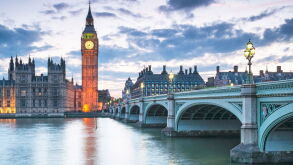
Architecture is one of the fields that have a creative dimension, including a scientific side, as well as a cultural-artistic one, making the architect a real artist whose works are protected by intellectual property laws. Thus, Intellectual Property Rights (IPRs) play a pivotal role, as they protect the unique creations and concepts of architects in a landscape that is often competitive and innovative.
The architect – a real artist
In Romania, the architect profession is regulated by a specific law (Law no. 184/2001 regarding the organization and exercise of the profession of architect), wherein it is stipulated that the activity in the field of architecture is an act of culture of public interest, with urban, economic, social and ecological implications. The architectural creation is intended to functionally and aesthetically organize the built space, having the obligation to insert it harmoniously into the surrounding environment, respecting natural landscapes and real estate heritage. In other words, the work of an architect involves extensive projects, coordinating studies and related documentation prepared by other specialists, research themes and programs, design and competitions, technical documentation, models, surveys and other such activities, which are mainly protected by copyrights by virtue of Law 8/1996 on copyrights and related rights.
Most common types of IPR of architects
1. Copyright
One of the most significant forms of protection for architects is copyright. It covers original works of authorship, including drawings, plans, models, and architectural designs. Once an architect creates a work, they automatically hold the copyright, which allows them to control how the work is used, reproduced, and distributed. Copyright arises automatically, without registration being required, upon the creation of an original architectural work.
Copyright law provides that the acquisition of ownership of the material support of the work does not in itself confer a right to use the work.
We specify that the rights in rem associated with the object of the work can be transferred by the author to another party. These rights, which encompass economic copyrights, grant the architect exclusive authority to determine whether, how, and when the architectural work is going to be used. This includes the option to permit others to use the work, and such usage generates various patrimonial rights, including the right to reproduce the work. The author can transfer these patrimonial rights to another entity only in accordance with mandatory legal provisions, with assignment being the most prevalent method. Through assignment, the copyright holder can transfer part, or all of the patrimonial rights linked to their work. The assignment must specify the rights being transferred and their forms of use, the geographical area, the compensation, and the scope of the assignment.
2. Trademarks
For architects and firms, trademarks can protect branding elements such as logos, business names, and slogans. This protection helps differentiate the architectural practice from others, ensuring that the brand identity is not misused or exploited by competitors.
Furthermore, in the context of architecture, under certain circumstances, a trademark can confer protection for a distinctive shape or silhouette of a building or a product.
3. Designs/ Models
Design registration protects the appearance of a whole product or a part of it, including its lines, contours, shape, texture or its ornamentation.
4. Trade Secrets
Architects might also possess trade secrets, which include any confidential business information that provides a competitive edge. This could encompass proprietary design processes, client lists, or unique methodologies. Protection of trade secrets relies on their confidentiality and the efforts made to keep them secret.
Ownership and Survival of Rights
Often, the ownership of IPRs in architectural projects can become complicated. An architect may retain the copyright to their designs, but this can change based on written agreements.
Here's how these dynamics typically play out:
Contractual Agreements: Many client-architect agreements stipulate terms regarding IPRs, especially concerning who owns the developed designs. It is common for contracts to include clauses that transfer some or all rights to the client upon project completion, especially if the client pays for the services according to the agreed terms (see point 1 above).
Attribution Rights: Even if copyrights are transferred, the moral rights remain with the architect, namely (i) the right to decide whether, in what manner and when the work is made public; (ii) the right to claim recognition of the authorship of the work; (iii) the right to decide under what name the work will be made public; (iv) the right to claim respect for the integrity of the work and to oppose any modification, as well as any attack on the work, if it harms his honor or reputation; (v) the right to withdraw the work, compensating, if necessary, the holders of the rights of use, harmed by the exercise of withdrawal. Moral rights cannot be assigned or alienated, and the author cannot renounce them.
Impact of Collaboration: In collaborative projects involving multiple architects or design teams, it is very important to clearly define the ownership and licensing of intellectual property upfront. This can prevent disputes later regarding the use of designs.
Challenges and Considerations
Architects must navigate various challenges when it comes to IPRs:
Infringement: The risk of intellectual property infringement is ever-present, especially in a globalized world where designs can be easily replicated and shared. Architects need to be vigilant in protecting their creations from unauthorized use.
Licensing and Usage Rights: Clear licensing agreements must be established to outline how clients and third parties can use architectural designs and works. Failure to do so can lead to legal complications.
Cultural Sensitivity: In projects that involve indigenous or culturally significant designs, architects should approach the situation with sensitivity and seek permissions where necessary, respecting the cultural context and protecting the rights of local communities.
Conclusion
Intellectual property rights are essential for architects, providing a framework for protecting their creative works and innovations. As the world of architecture continues to evolve, staying informed about IPRs will be crucial for the ongoing success and recognition of architects and their projects.