
Coinye West virtual currency upsets rapper
Hip hop is always a rich source of intellectual property disputes. This week provided a perfect storm of a music megastar, a hot new(ish) technology trend and legal threats. Kanye West’s lawyers filed cease-and-desist papers against the programmers behind Coinye West, a virtual currency similar to Bitcoin.
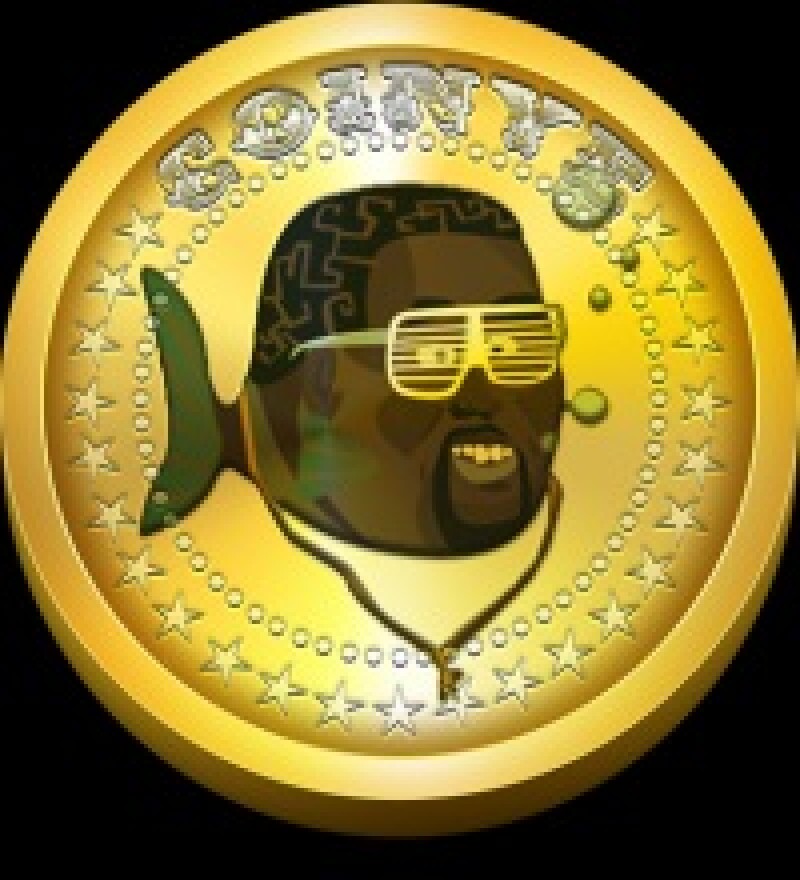
West’s lawyers argued that Coinye’s image of West on a gold medallion is trademark infringement.
“Given Mr. West’s wide-ranging entrepreneurial accomplishments, consumers are likely to mistakenly believe that Mr West is the source of your services,” The Wall Street Journal quoted Brad Rose, partner at Pryor Cashman, as writing. There was no word on whether West was saying they were gold diggers.
The developers responded by renaming the currency Coinye, rather than Coinye West — and insisted that an updated version of their logo (right) is unrelated to West and now references a "half-man-half-fish hybrid who is wearing sunglasses".
Apple and Samsung CEOs agree to patent talks

The CEOs of technology giants Apple and Samsung will meet a mediator by February 19 to discuss the latest case in its long-running smartphone patent feud. This follows legal representatives from the two companies meeting this week to discuss settlement opportunities as ordered by a federal judge.
The two firms are scheduled to go to trial in March over smartphone models including the Galaxy 4 and Note 2, and a counterclaim regarding Apple’s iPhone 5.
In 2012, Samsung lost a battle with Apple over older smartphone models and was ordered to pay a sum that eventually worked out at just over $900 million. The two CEOs met in mediation last year, which failed to find any resolution.
USPTO deems R-word derogatory
The USPTO has rejected a request from a company that wanted to sell pork rinds under the name “Redskins Hog Rinds”. The office considered the term “derogatory slang”.
The decision could have wider implications. A debate is growing in the US around whether NFL team the Washington Redskins should change its name to something less offensive. US President Barack Obama has even weighed into the issue, suggesting the team should “think about changing” the name because it offends “a sizable group of people”. Native Americans have long protested about the team’s use of the name.
The USPTO is deliberating whether to revoke the trademark protection for the team, with a decision expected soon.

German judge dismisses Nokia lawsuit against HTC
A patent infringement lawsuit between Nokia and HTC was dismissed by a regional German court this week. Judge Matthias Zigann concluded in Nokia v HTC that the patent-in-suit does not cover all over-the-air updates but a particular way of enabling mobile phone users to accept calls while downloading an update.
Before the dismissal Nokia had dispensed with holiday cheer to issue the barb that "HTC's first New Year's resolution for 2014 should be to stop this free riding and compete fairly in the market." According to the FOSS Patents blog, the company is considering appealing the verdict.
The latest decision is just one part of multiple cases that Nokia has against HTC. It has already scored three patent enforcement wins in Germany.

Gambia minister calls for stronger copyright laws
Gambia’s minister of tourism and culture has called for copyright to be strengthened to prevent infringements. Fatou Mass jobe-Njie is worried creative works such as music can be too easily exploited on the internet in The Economic Community Of West African States.
“Sadly, in many of our countries in the sub-region, creators still cannot benefit from the sweat of their creations,” she told The Gambia Tourism and Hospitality Institute. “It is only through initiatives such as the Observatory that the creative community in our ECOWAS sub-region can start to live in a dignity befitting creators, and to allow our governments to also get returns from the investments in cultural infrastructure.”



