The result
SPCs can be obtained for second medical use patents
The impact
A bonus for pharma companies investing in the development of products for different uses
The Court of Justice of the EU has little to do with patents (at least for now). So when it does rule in one of the limited patent-related areas over which it has jurisdiction, IP attorneys await its rulings with perhaps greater trepidation than normal. It was only last year, after all, that the Court curbed the patentability of human embryonic stem cells in Brüstle, a ruling that clarified the directive on the legal protection of biotechnological inventions.
But this year the Court gave pharmaceutical companies something of a fillip in a dispute related to supplementary protection certificates (SPCs). This is a sui generis right that effectively extends the life of a patent on a specific pharmaceutical-type product by compensating the owner for the time spent obtaining regulatory approval to put it on the market.
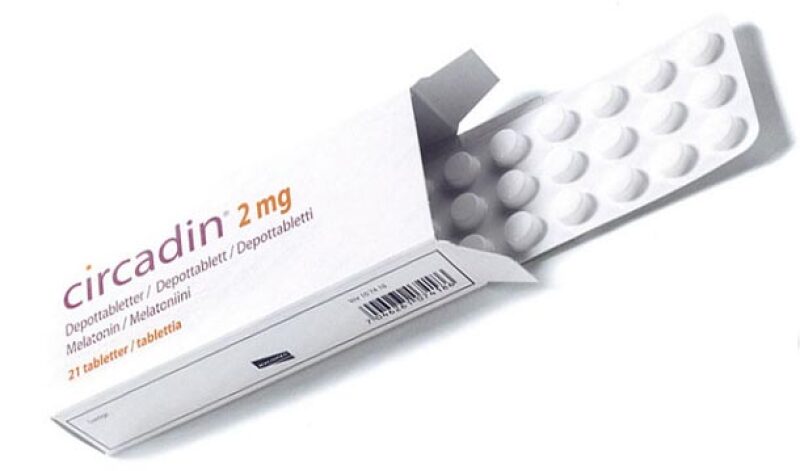
At the end of 2009, a hearing officer at the UK Intellectual Property Office IPO refused to grant Neurim an SPC for its product Ciracadin (melatonin). Circadin is used to treat insomnia and the basic patent concerns the use of melatonin to correct a distortion or deficiency in the plasma melatonin profile of humans.
The Office said that because melatonin had already been marketed since 2001 (by CEVA Animal Health under the name Regulin), Neurim's product was not eligible for an SPC. In particular, the hearing officer said that the intended use of the medicinal product could not be taken into account when considering the relevance of an earlier marketing authorisation.
The patent owner took the case to the High Court. At first instance, Mr Justice Arnold upheld the IPO's decision but the Court of Appeal later referred five questions to Europe's highest court. Writing for the Court of Appeal, Lord Justice Jacob (as he was then), made it clear that he thought the lower court had got it wrong. If its finding was right, he said, then "the Regulation will not have achieved its key objects for large areas of pharmaceutical research: it will not be fit for purpose. Whether that is so or not is clearly a matter for the EU's highest court".
Now the Court of Justice of the EU has offered its support to Jacob's interpretation of the rules on SPCs.
"The mere existence of an earlier marketing authorisation obtained for a veterinary medicinal product does not preclude the grant of a supplementary protection certificate for a different application of the same product for which a marketing authorisation has been granted," said the Court, "provided that the application is within the limits of the protection conferred by the basic patent relied upon for the purposes of the application for the supplementary protection certificate."
The ruling was good news for Neurim and other pharmaceutical companies investing in the development of products for different uses. But like a number of Court of Justice rulings, it leaves questions unanswered. Is there, for example, a distinction between obtaining earlier marketing authorisation for veterinary use of a product and human use? While IP owners welcomed Neurim, it was far from being the last word on SPCs.
Case details |
| Neurim v UK government Patent number: EP (UK) 0 518 468 Invention: Melatonin to treat insomnia (branded as Circadin) Technology: Pharmaceuticals Patent owner: Neurim Pharmaceuticals Other party involved: UK IPO Courts: Court of Justice of the EU following a referral by the Court of Appeal in London For Neurim: Carpmaels & Ransford For the UK government: S Ossowski and A Robinson as agents and Charlotte May |
This case was selected as one of Managing IP’s Cases of the Year for 2012.
To see the rest, click on one of the cases below.
The 10 cases of the year
A fillip for the EU pharmaceutical sector
Relief for trade mark owners in red sole saga
Australian TV streaming service held to be illegal
Smartphone war hits front page in the US
Liberalising the EU’s software market
Victory for fair dealing in Canada
Lacoste loses its trade mark in China
Google prevails in Android attack
EU test case clarifies class headings
Ten you might have missed
Canada: Ambiguous claims can invalidate patents
Russia: Certainty on parallel imports
Italy: TV formats win copyright for the first time
First FRAND cases litigated worldwide
Data exclusivity backed by Mexican courts
China: A shift over OEM manufacturing
Authors in the US able to reclaim joint copyrights