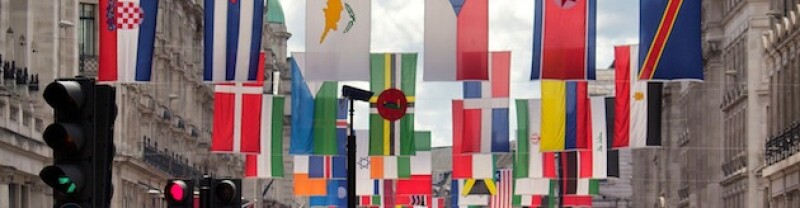
The London Olympic Games and Paralympic Games Act 2006 created a London Olympics Association Right, in theory preventing any business from creating an association between itself and the Games.
Yet dozens of advertisements around London – such as those shown below – would seem to make a clear and deliberate association. Indeed, most of them seem to be exactly the kind of advert that the organising committee (Locog) warned businesses in advance would not be allowed.
Locog is believed to have sent relatively few cease-and-desist letters to businesses and there have been no high-profile court cases yet. It even withdrew a threat of action against billboard firm JCDecaux over adverts by betting company Paddy Power, after the latter threatened to seek its own court order.
To review some of the adverts appearing in London this month, Managing IP sat down with social media and advertising specialist Dan Smith of Wragge & Co, and assessed which ads are taking the biggest risk.
“Locog is treading a fine line between protecting the Olympic sponsors and poor public relations, which of course also harms those sponsors. The reality is it is making enforcement decisions based on a number of factors, including how obvious the association is, the number of references and how long the advert has been running.”
Below are 10 adverts, in ascending order of risk. Assessing them gives some guidance on how companies can work with the London rules – and perhaps rules at future events that take a similar approach.
Vodafone and Canary Wharf
Risk value: 2
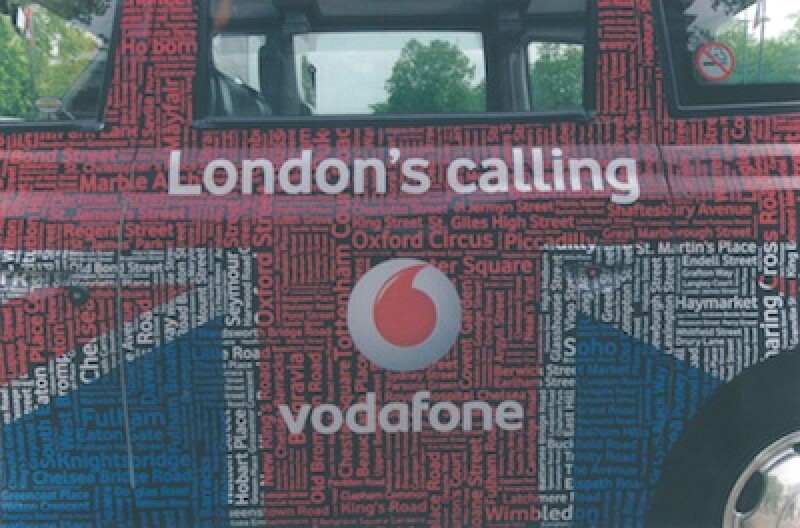
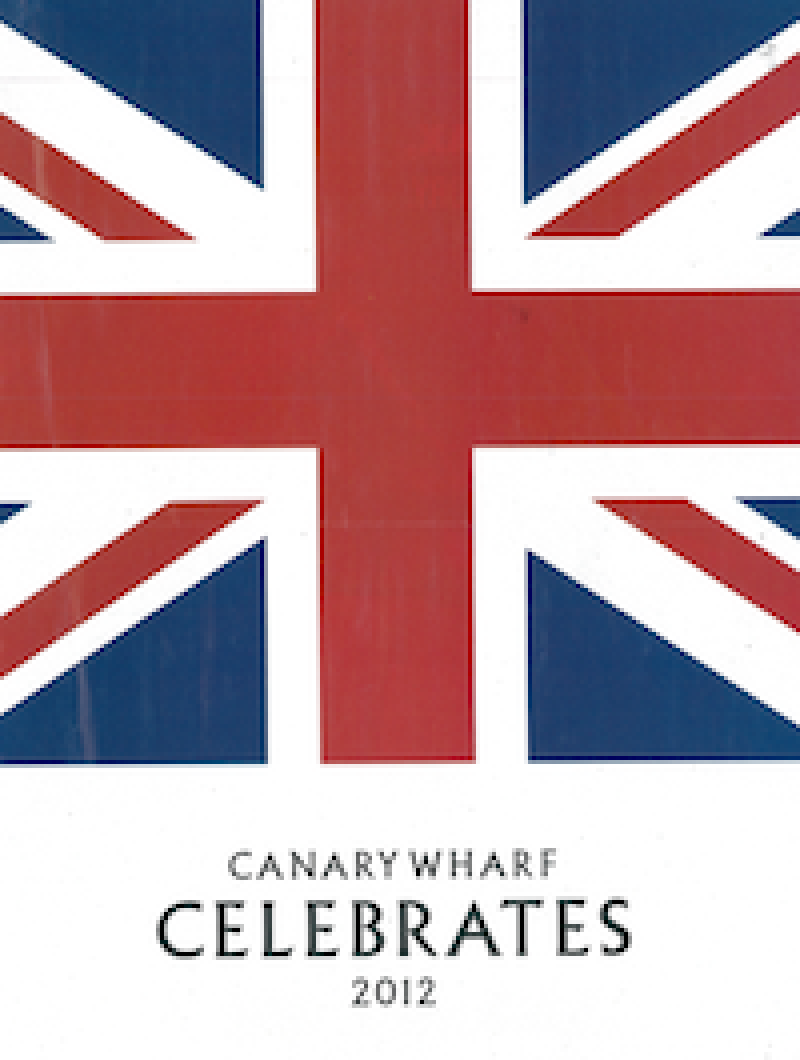
Both these adverts could well create an association in the viewer between the company and the Olympics. But the only explicit reference is to Great Britain, and in a year when the country is also celebrating The Queen’s Diamond Jubilee, it would be easy to make a defence that the intended association is to a great British year, or merely being a British company. British flags on pubs across the country are unlikely to run into problems for similar reasons.
“My feeling is that the regulations would be considerably narrowed in court, and adverts such as these would fall well outside that scope,” says Smith.
Tesco
Risk value: 3
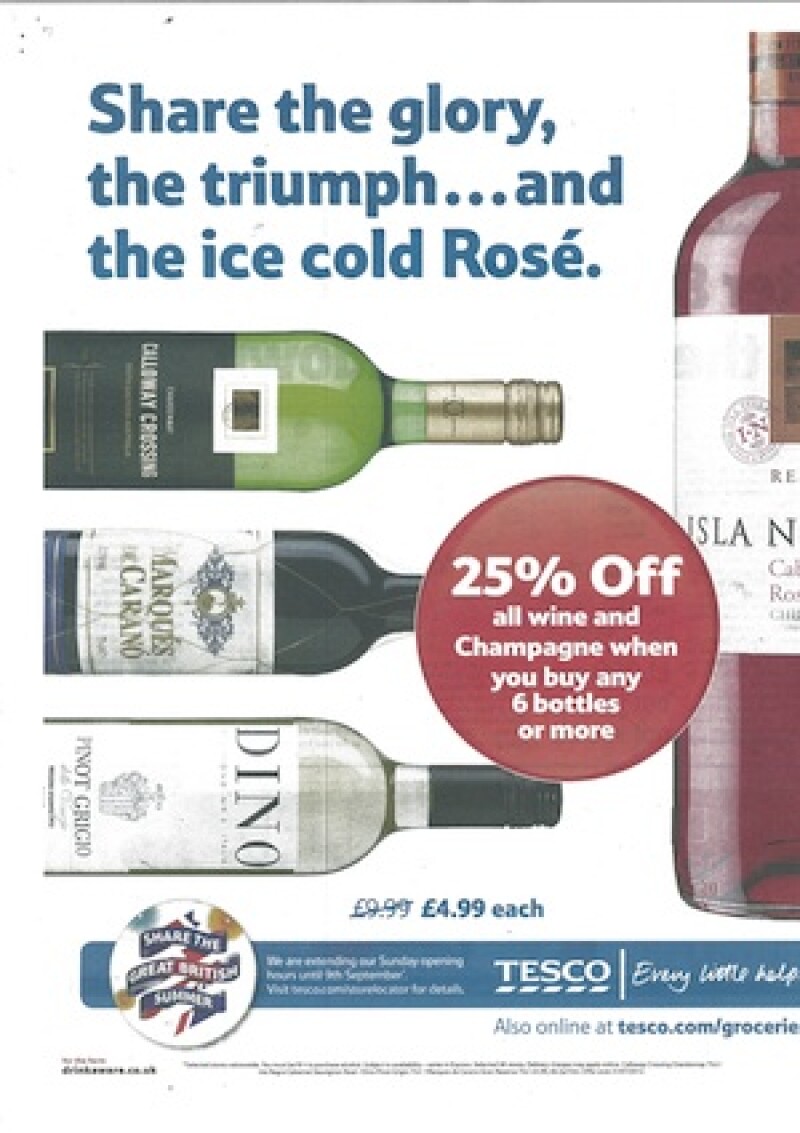
Tesco’s advert for different types of wine makes a more explicit reference to the events of Summer 2012, mentioning “the glory, the triumph”. However, that again could include the Diamond Jubilee and there is even a special Tesco logo inviting customers to “share the great British summer”.
Lladro, Standard Life and H&M
Risk value: 4
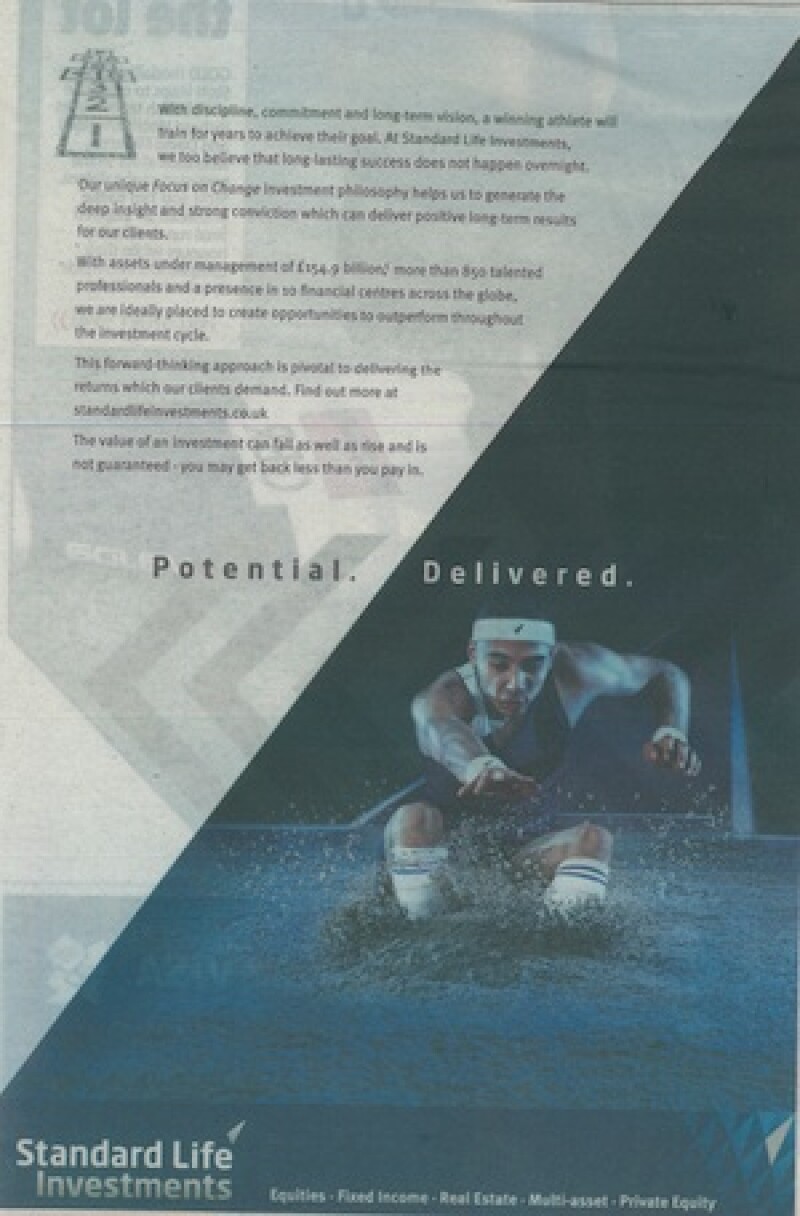
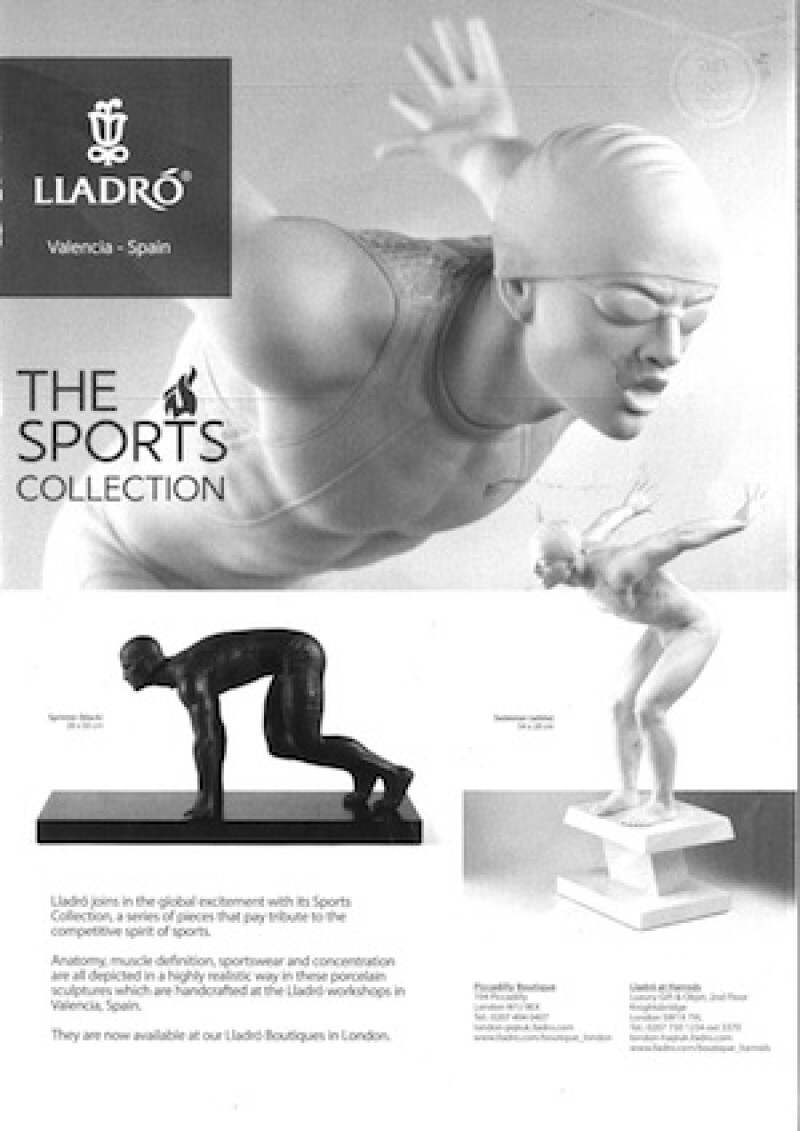
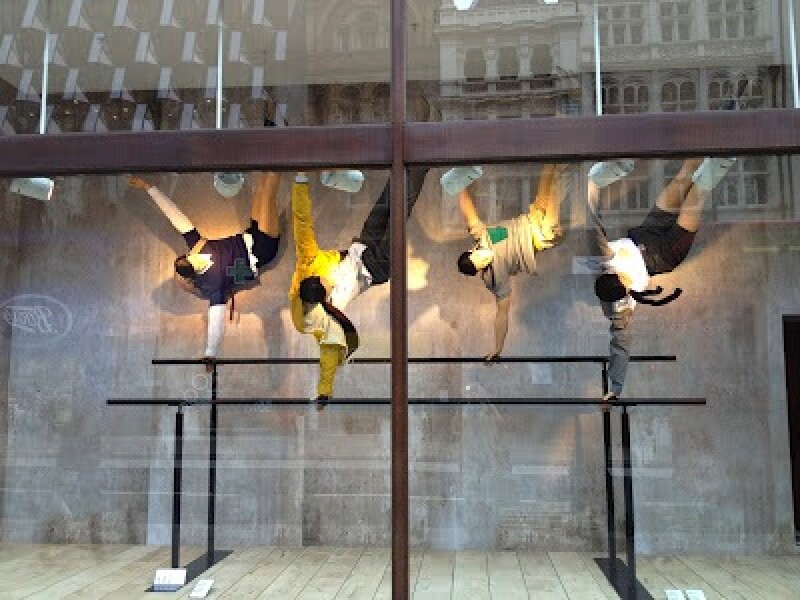
These adverts for commemorative sculptures by Spanish company Lladro and for financial services company Standard Life Investments make clear reference to the athletics taking place in London. “There is no doubt that these adverts would not be running were it not for the Olympics. However, the association is to sport generally and, although this all conjecture, it seems highly unlikely that the law could be interpreted that broadly,” says Smith.
It would be helpful if the adverts included some references to sports not featuring in the Olympic Games. Nestlé, for example, has run adverts featuring Olympic diver Tom Daley, but several sports were featured, including golf. Red Bull also uses 400m-hurdler Dai Greene in its advertising, but as only one of a broad range of sports and sportsmen it supports.
The shop window for clothing retailer H&M is running a similarly small risk, but is an example of a widespread approach taken by stores around London.
Baylis & Harding
Risk value: 6
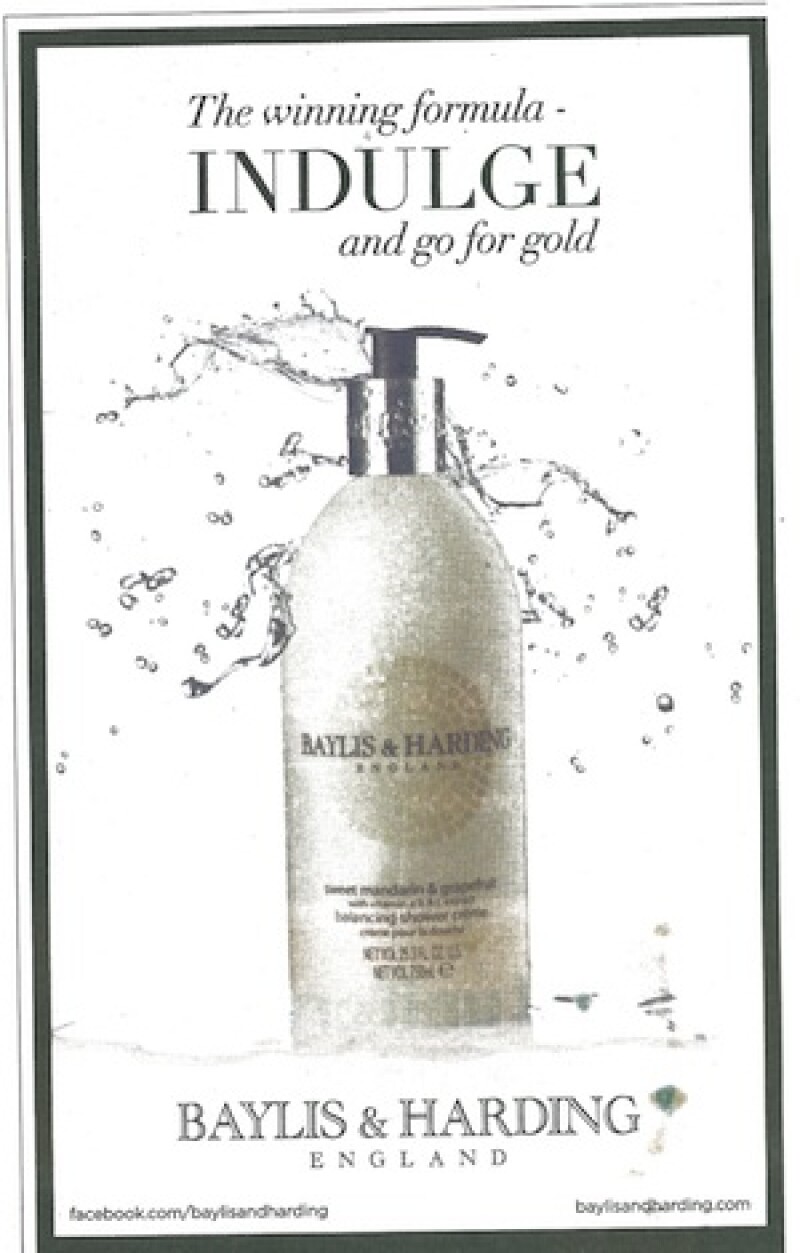
The references in this advert are similar to those made by Tesco – except they are clearly focused on the Olympics, used more than once and are more explicit. By using words such as “gold” and “winning formula”, the company is taking a bigger risk.
"There is an overt association here and the wording is irrelevant to the advert,” points out Smith. “Whether Locog decided to take any action might also depend on its sponsors – whether Procter & Gamble raised a concern, for example.”
‘Gold’ is one of the words protected under the 2006 Act, with others including London, Medals, Summer, Games and 2012. The scope of this protection, however, is vague, with their use not necessarily breaking, or not breaking, the rules.
Photobox and Ted Baker
Risk value: 7

The online advertisement by Photobox uses a visual reference with the three gold medals, and refers to “golden offers”. Smith describes this use of Olympic imagery as “gratuitous”. Many advertisements and shop windows use medals as a means to refer to the Olympics, such as perfumer Jo Malone, but there is usually no other explicit reference.
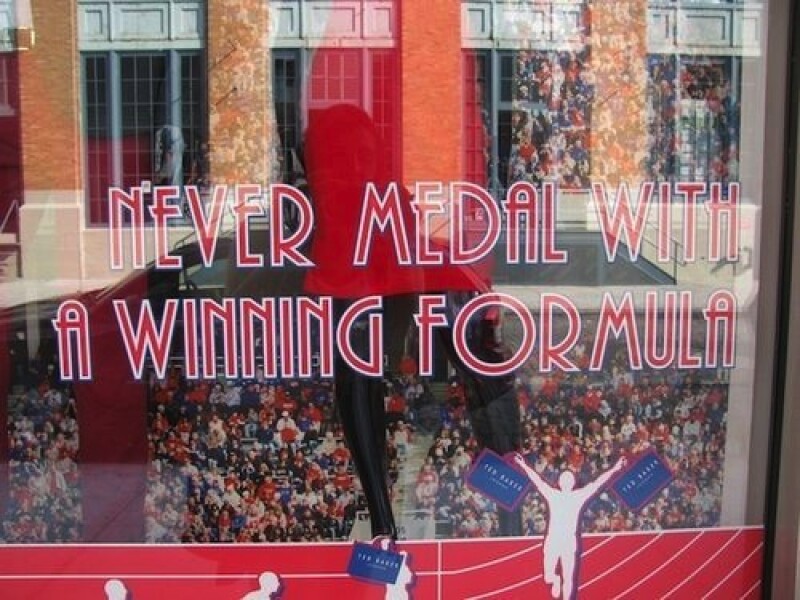
The display from clothing company Ted Baker shows how the sports association can be pushed too far in window dressing, with imagery such as a crowd and athletic track, as well as the line “Never medal with a winning formula”.
Robert Dyas
Risk value: 9
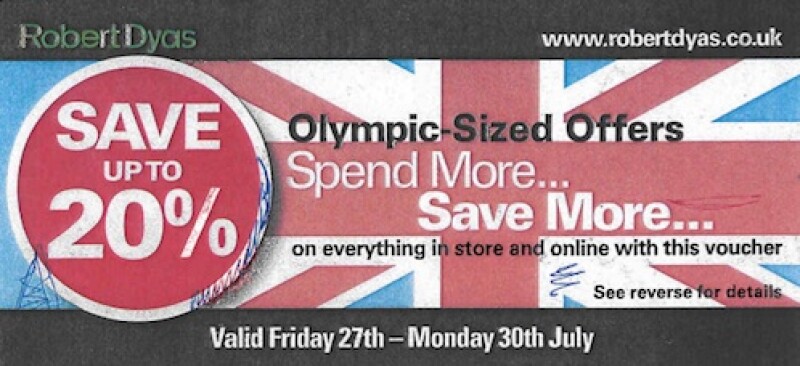
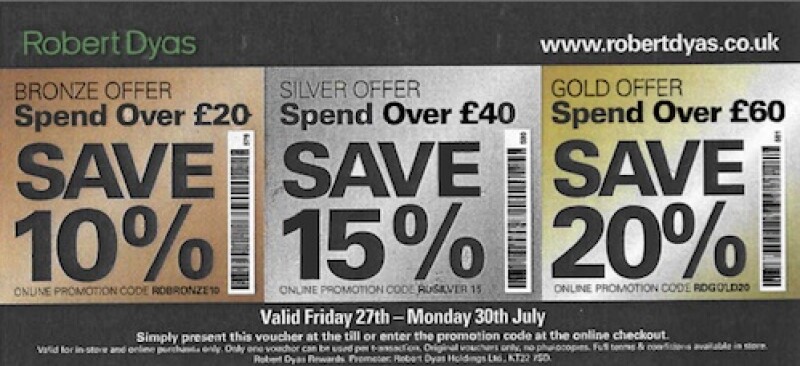
This voucher from hardware chain Robert Dyas brings together almost every aspect mentioned so far, other than an image of the athlete. It uses the words “Olympic”, “gold”, “silver” and “bronze”, together with the UK flag. “It has to be beyond what is acceptable, and I would never have passed this for distribution if it had been brought to me,” says Smith.